NVIDIA CEO Jensen Huang Defends DLSS 5 AI Graphics Technology Against Visual Style Criticism
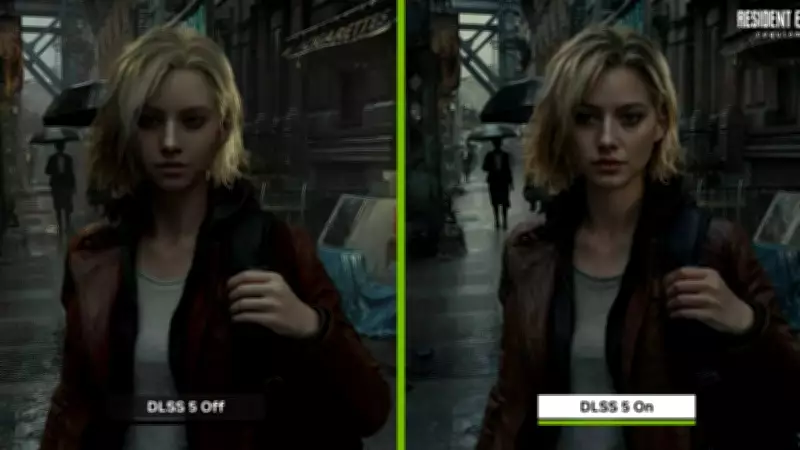
During a press Q&A session with Tom's Hardware at the GTC 2026 conference, NVIDIA CEO Jensen Huang directly addressed mounting criticism surrounding the company's latest AI-driven graphics technology, DLSS 5. Since its official announcement, numerous users across social media platforms have voiced concerns that DLSS 5 fundamentally changes the visual appearance of video games in ways that reduce artistic uniqueness or impose NVIDIA's own interpretation of visual content.
Specific Criticisms Focus on Character Models
The criticism has been particularly focused on the updated character models in the highly anticipated game Resident Evil Requiem, including prominent characters like Grace Ashcroft and Leon Kennedy. Gamers and industry observers have questioned whether the AI enhancements might override the original artistic vision established by the game developers.
Huang firmly stated that these criticisms are completely unfounded. He provided a detailed technical explanation, clarifying that DLSS 5 uniquely combines control over game geometry and textures with advanced generative AI. This architecture allows game developers to maintain their full artistic direction while seamlessly incorporating sophisticated AI enhancements for improved visual fidelity.

How DLSS 5 Differs from Conventional Techniques
Unlike conventional post-processing techniques that apply effects to already-rendered frames, DLSS 5 operates at the fundamental geometry level of the game engine. This provides generative control of in-game assets themselves—such as character models, environments, and objects—rather than merely altering completed frames after they have been rendered.
"All of that is in the control—direct control—of the game developer," Huang emphasized during the session. He explained that developers using DLSS 5 have comprehensive tools to adjust numerous parameters, ensuring the AI output perfectly aligns with the game's desired visual style. This could involve anything from hyper-realistic shading and lighting to highly stylized graphics, cel-shading (toon shaders), or unique material effects like glass-like surfaces.
Developer Control and "Content-Control Generative AI"
NVIDIA describes this approach as "content-control generative AI," a concept distinct from typical generative AI applications that produce autonomous content without direct human oversight. The system is fundamentally designed to augment developer workflows, not replace them. It serves as an additional, powerful tool in the developer's arsenal to manage visual fidelity while simultaneously optimizing game performance and frame rates.
Huang provided concrete examples of the artistic flexibility DLSS 5 enables. Developers can implement specific artistic approaches, such as applying a toon shader for a cartoon-like aesthetic or creating crystalline, glass-like visual effects, all while leveraging the AI's power to enhance detail and performance.
Understanding DLSS 5's Evolution
DLSS, or Deep Learning Super Sampling, is NVIDIA's proprietary technology for improving frame rates and image quality using artificial intelligence. Previous iterations, like DLSS 3 and 4, primarily focused on intelligent upscaling of lower-resolution images and boosting performance without compromising the intended game visuals.
DLSS 5 represents a significant evolution by introducing a robust generative AI component. This new layer enhances the fidelity of textures, geometry, and lighting in real-time. Crucially, it operates alongside the existing geometry and texture data provided by developers, adding generative enhancements rather than altering the original artistic intent or core assets.
Release Timeline and Developer Support
"Twenty-five years after NVIDIA invented the programmable shader, we are reinventing computer graphics once again," declared Huang, underscoring the technology's importance. DLSS 5 is scheduled for a broader launch in the fall of 2026.

NVIDIA has confirmed that additional technical demonstrations and a suite of developer tools will become available in the coming months. This will allow game studios worldwide to thoroughly evaluate the technology and integrate it into their projects according to their specific artistic and technical specifications.
The company plans to use early feedback from these developer partnerships and ongoing technical demonstrations to guide final adjustments and refinements before the public release. This collaborative approach is intended to ensure DLSS 5 meets the diverse needs of the global game development community while preserving creative autonomy.