Neechanagar: The Historic Cannes Triumph That Defined Indian Cinema
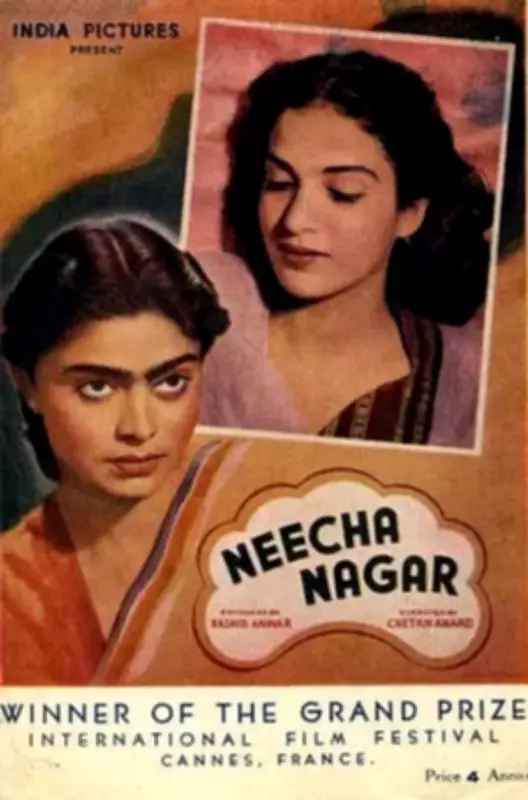
Eighty years ago, a landmark moment unfolded at the inaugural Cannes Film Festival, where Neechanagar secured India's first prestigious international award. Directed by the visionary Chetan Anand, this cinematic masterpiece clinched the Grand Prix, sharing the honor with global icons David Lean and Billy Wilder. Scripted by the acclaimed writer K. A. Abbas, Neechanagar stands as India's pioneering anti-imperialist film, drawing profound inspiration from Maxim Gorky's Lower Depths.
Technical Brilliance and Global Acclaim
The film's realistic narrative was elevated by its brilliant technology and cinematography, masterfully executed by Vidyapathi Ghosh. Its innovative format captivated audiences and critics alike, setting a new benchmark for Indian cinema. An intriguing anecdote reveals that Italian maestro Vittorio De Sica viewed Neechanagar and was deeply moved by its social commentary. In 1953, at the Venice Film Festival, De Sica finally met Chetan Anand during the screening of Aandhiyan and sought permission to adapt a sequence from Neechanagar for his own Italian creation.
The Iconic "Paani Nahin" Sequence
De Sica specifically referenced the poignant scene where a young child, unable to find clean drinking water in his village, is forced to consume contaminated water. The nurse, portrayed by Kamini Kaushal, frantically searches for fresh water as the child cries out, "Paani Nahin." This sequence was superbly highlighted through three dialectical montages, with Ravi Shankar's sitar and bamboo flute creating a musical collage that amplified the tragedy. De Sica was astounded to learn that Chetan Anand shot this powerful moment in just two takes. With Anand's blessing, De Sica incorporated a similar sequence into one of his later unforgettable works, though he adapted it with his own cinematic fire, contrasting Neechanagar's water-themed despair.

Artistic Mastery and Enduring Legacy
In 1967, at a dinner in Chetan Anand's Juhu shack, renowned Polish director Andrei Wajda engaged in a deep discussion about cinema. Wajda inquired about the climax of Neechanagar, particularly its use of light and shade. Chetan Anand revealed that he, along with writer K. A. Abbas and cinematographer Vidyapati Ghosh, meticulously worked on the climax for seven days before filming. They employed a combination of mashal lights and natural lighting, blending them into a form of protest poetry. Wajda praised Anand's directional skill as unparalleled for that era.
Eight decades after its release, Neechanagar remains a landmark film in Indian cinema history, celebrated for its artistic innovation, social relevance, and global impact. Its legacy continues to inspire filmmakers and audiences, cementing its place as a timeless classic that bridged cultures and redefined cinematic excellence.