Swiss Choreographer Nicole Morel's BRICKS: Where Dance Meets Architecture and Sound
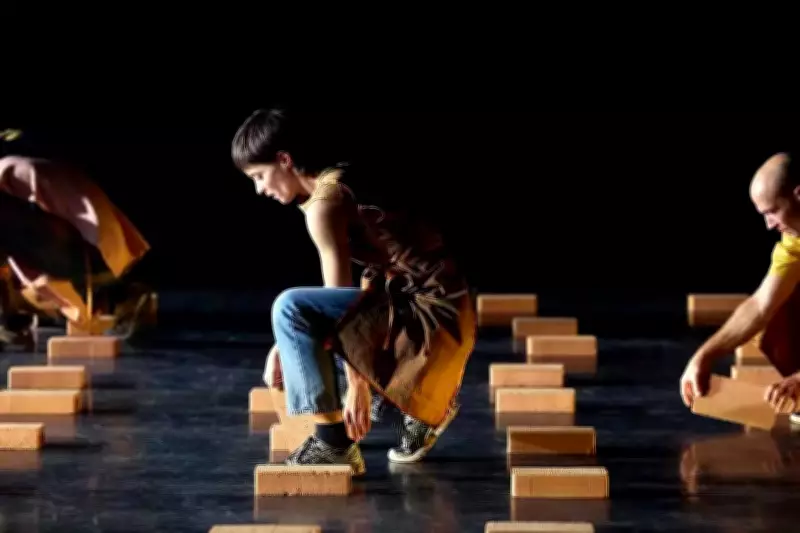
What occurs when the rigid, structured form of a brick encounters the fluid, expressive nature of the human body? This compelling question lies at the heart of BRICKS, a groundbreaking transdisciplinary work by Swiss choreographer Nicole Morel. The performance art piece masterfully blurs traditional boundaries between dance, architectural design, and auditory experience, creating a unique synthesis that challenges conventional artistic categories.
Bricks Transcend Their Construction Origins
"Bodies in dance possess their own inherent architecture through movement patterns and physical expression," explains Nicole Morel during an exclusive discussion about her innovative project. The conceptual foundation for BRICKS began crystallizing during an extensive tour through South America. "I encountered the remarkable architectural work of Colombian master builder Rogelio Salmona, and something profoundly clicked within my creative consciousness," Morel reveals.
As the choreographer journeyed through Brazil and Colombia, she observed bricks as omnipresent elements within the urban and rural landscapes. This constant visual presence prompted a philosophical shift in perception. "I began viewing bricks as far more than mere construction materials," Morel emphasizes. "Coming from a Swiss town with centuries-old architectural heritage, the contrast with rapidly changing South American environments was strikingly apparent. Our contemporary world transforms with astonishing speed, which led me to contemplate themes of permanence versus fragility, stability versus transience."

Transforming Building Materials into Musical Instruments
One of the most innovative aspects of the BRICKS performance involves the material itself becoming an integral component of the musical score. Morel collaborated extensively with Colombian composer Violeta Cruz to develop this auditory dimension. "I became deeply interested in the act of listening—not merely to ourselves as performers, but to our surrounding environment as an active participant," Morel shares.
The artistic team embarked on an experimental journey to discover unique sonic possibilities. "We deliberately worked with bricks as unconventional musical instruments," the choreographer explains. "This exploration resulted in a richly layered experience where sound, physical movement, and material substance engage in continuous dialogue. Each element dynamically shapes the others in real-time performance, creating an organic, evolving artistic conversation."
Demystifying Contemporary Dance Accessibility
Despite its growing cultural presence, contemporary dance continues to confront perceptions of being inaccessible or esoteric to general audiences. Nicole Morel acknowledges this common hesitation while simultaneously challenging its premise. "Sometimes audience members feel they lack the proper interpretive codes to understand contemporary dance," she observes.
Morel offers a refreshing perspective on artistic engagement. "Ultimately, art revolves around what you personally experience in the present moment," she asserts. "It involves trusting your individual perception and connecting that immediate experience to your own life context. You don't require formal education in art history or theoretical frameworks to engage meaningfully with performance art. The most authentic response emerges from your direct, unfiltered encounter with the work."
The BRICKS performance represents a significant contribution to transdisciplinary art, demonstrating how seemingly disparate elements—architectural materials, choreographed movement, and experimental sound—can coalesce into a unified, immersive experience that invites audiences to reconsider their relationships with space, materiality, and artistic expression.