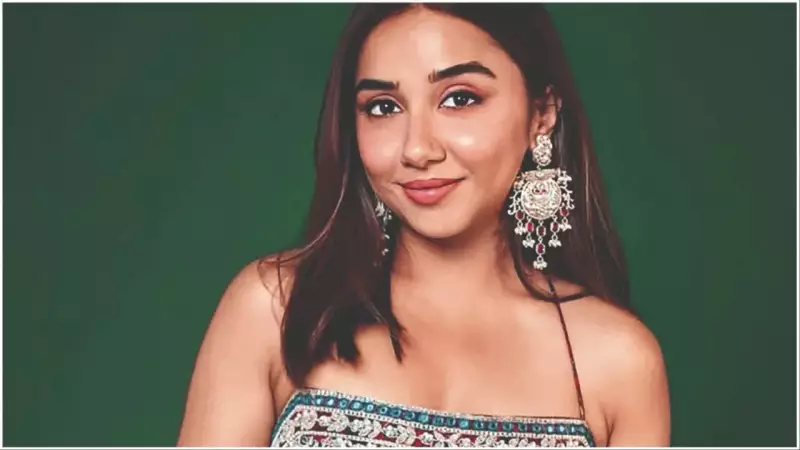
Prajakta Koli Weighs In on the Digital Creator to Mainstream Actor Transition
The entertainment landscape in India has undergone a significant transformation with the rise of digital platforms, and Prajakta Koli's journey stands as a prominent example of this shift. Starting as a social media content creator, she successfully transitioned to mainstream acting, with notable roles in the OTT series Mismatched, the film Jugjugg Jeeyo, and more recently, the web show Single Papa. Her path is often highlighted as evidence that digital avenues have democratized access to the entertainment industry, opening doors for creators who might not have traditional backgrounds.
The Growing Scrutiny of Casting Decisions in the Digital Age
As more content creators venture into movies and web series, the casting process itself has come under intense scrutiny. There is a growing perception among industry insiders and audiences alike that follower counts on platforms like Instagram can sometimes overshadow acting ability. This trend has led to concerns that casting decisions are increasingly being reduced to metrics—such as social media reach—rather than focusing on merit and talent. This shift has sparked resentment among trained actors who feel sidelined by algorithms and the emphasis on digital popularity, raising questions about fairness and artistic integrity in the industry.
Prajakta Koli's Nuanced Perspective on the Debate
Prajakta Koli approaches this contentious debate with a balanced and thoughtful perspective, rather than dismissing the concerns outright. She acknowledges the complexities involved, stating, "Honestly, if projects were handed out purely on the basis of follower count, I would've cracked every audition I've given. And I've given a lot of auditions over the last six years." She emphasizes that the entertainment business involves multiple stakeholders and significant financial investments, making it unlikely for producers to risk crores of rupees on someone unsuitable for a role solely due to their follower base.

Further elaborating, Prajakta adds, "Every project I've been a part of has required rigorous auditions, workshops, and preparation. So, I can't sit here and make a blanket statement saying it's all untrue. For those who've experienced being cast or rejected because of numbers, that reality is real for them. And you can't take that away from their lived experience." This nuanced view highlights the tension between the opportunities digital platforms provide and the challenges they pose to traditional casting norms.
Implications for the Future of Entertainment in India
The debate surrounding digital creators entering mainstream acting reflects broader changes in the Indian entertainment industry. Key points to consider include:
- The democratization of opportunities through platforms like YouTube and Instagram, allowing diverse voices to emerge.
- The potential for follower counts to influence casting decisions, raising ethical questions about talent evaluation.
- The experiences of trained actors who may feel disadvantaged by this new dynamic, calling for a more balanced approach.
- Prajakta Koli's journey as a case study in navigating this evolving landscape, blending digital fame with acting credentials.
As the industry continues to evolve, discussions like these are crucial for shaping a future where both digital innovation and artistic merit can coexist. Prajakta's insights offer a valuable perspective on finding common ground in this ongoing transformation.