Rajpal Yadav's Legal Ordeal: From Comedy Stardom to Tihar Jail
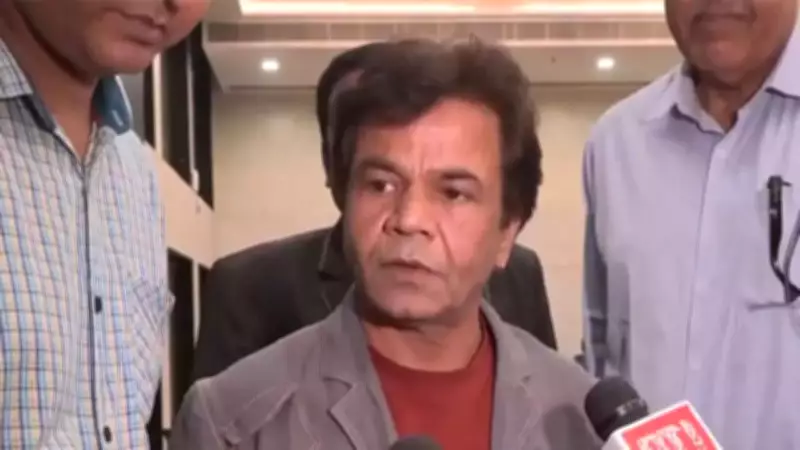
In a dramatic turn of events, beloved Bollywood comedian Rajpal Yadav has surrendered at Delhi's Tihar Jail to serve a six-month prison sentence. This development marks the culmination of a protracted legal battle stemming from a financial dispute that began over a decade ago. The case, which involves a staggering Rs 7 crore liability, highlights the serious consequences of cheque dishonour under Indian law.
The Origins: A Film Production Loan Gone Awry
The roots of this legal saga trace back to 2010 when Rajpal Yadav and his wife, Radha Yadav, reportedly borrowed Rs 5 crore to finance the production of the film Ata Pata Lapata. The loan was intended to support the movie's development, with promised returns on investment. However, as repayment obligations mounted, the total liability eventually escalated to approximately Rs 7 crore. The situation deteriorated when cheques issued by the couple for repayment repeatedly bounced, triggering a series of legal actions that would span years.
Legal Proceedings and Conviction
The matter formally entered the judicial system in 2018 when a production company filed a complaint against the actor. Multiple instances of cheque dishonour led the lender to pursue criminal charges under the Negotiable Instruments Act. A magistrate court subsequently found Rajpal Yadav guilty under Section 138 for cheque dishonour, sentencing him to six months imprisonment for breach of trust. This conviction represented a significant escalation from what had initially been a financial negotiation to a punitive legal outcome.

Appeals and Temporary Reprieves
Following the conviction, Rajpal Yadav and his wife challenged the sentence. In 2019, a sessions court upheld the magistrate's decision, but the couple took the matter to the Delhi High Court. This appeal process provided temporary relief, delaying the imprisonment for several years while settlement discussions continued. In 2024, the High Court suspended the six-month jail term, granting the actor additional time to arrange payment of the outstanding dues. His legal team claimed that Rs 40 lakh was ready for payment, with assurances that the remaining amount would be settled promptly.
Final Court Order and Surrender
The legal respite came to an abrupt end during a hearing on February 4, when the Delhi High Court refused to grant any further extensions. Justice Swarana Kanta Sharma emphasized that repeated delays were unfair and ordered Rajpal Yadav to finally serve his sentence. The court noted his previous non-appearance as disrespectful, closing the door on any additional postponements. Consequently, the actor surrendered to authorities at Tihar Jail, where he was formally admitted to begin his six-month term.
Broader Implications and Industry Context
This case underscores the stringent enforcement of financial laws in India, particularly concerning cheque bounce offences. For the entertainment industry, it serves as a cautionary tale about the legal risks associated with production financing and debt management. Rajpal Yadav's journey from comic roles on screen to a defendant in court illustrates how personal financial decisions can have profound professional and legal repercussions.
Key Takeaways from the Case:- The initial loan of Rs 5 crore for film production ballooned to Rs 7 crore due to accrued liabilities.
- Legal action was initiated in 2018 under the Negotiable Instruments Act after multiple cheque bounces.
- A magistrate court convicted Rajpal Yadav under Section 138, sentencing him to six months jail.
- Appeals provided temporary delays, but the High Court ultimately enforced the sentence in 2026.
- The actor's surrender at Tihar Jail marks the end of a 16-year financial and legal dispute.
As Rajpal Yadav serves his sentence, this case remains a stark reminder of the importance of financial diligence and legal compliance, even for high-profile celebrities in the fast-paced world of Bollywood.