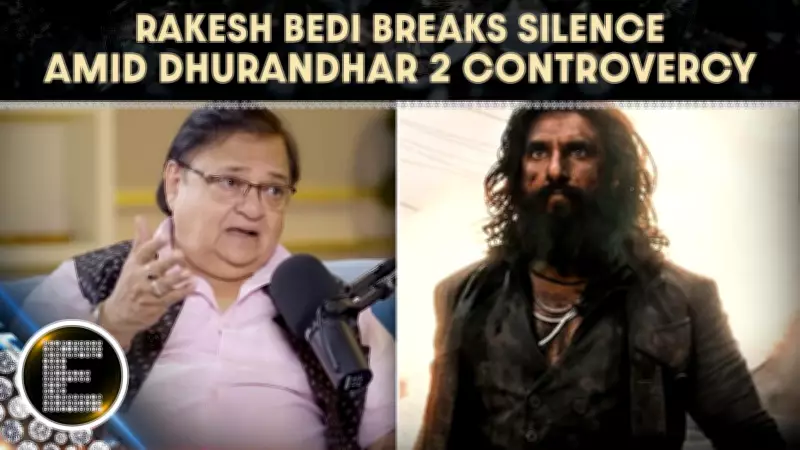
Rakesh Bedi Counters Propaganda Claims Against Dhurandhar 2
The ongoing debate surrounding the film Dhurandhar 2 has escalated significantly, with veteran actor Rakesh Bedi now entering the fray to defend the project. Bedi has responded directly to allegations labeling the movie as propaganda, offering a pointed critique of the motivations behind the criticism.
Bedi's Defense: Success Breeds Scrutiny
In his remarks, Rakesh Bedi suggested that the negative discourse is not primarily about the film's narrative or artistic merit. Instead, he posited that the backlash is largely a reaction to the movie's substantial commercial performance at the box office. "If the same core story were presented in the format of a documentary," Bedi argued, "it would likely receive praise and thoughtful analysis rather than being subjected to this level of questioning and accusation."
This perspective frames the controversy as one driven by the film's success, implying that its financial achievements have made it a target for heightened and potentially disingenuous scrutiny.

The Film at the Center of the Storm
Dhurandhar 2, directed by Aditya Dhar and featuring Ranveer Singh in a leading role, has been a topic of public conversation since its release. The film's engagement with real-world themes and contemporary issues has polarized audiences and critics alike, resulting in a spectrum of reactions.
- Mixed Critical Reception: Reviews have been divided, with some praising its bold narrative and others questioning its portrayal of sensitive subjects.
- Strong Theatrical Run: Despite the debate, the film has demonstrated notable resilience and continues to attract audiences, maintaining a strong presence in cinemas.
- Cultural Conversation: The project has transcended typical film discourse, sparking broader conversations about art, messaging, and commercial cinema's role in society.
Rakesh Bedi's intervention adds a new layer to this discussion, challenging the narrative that the film is merely propaganda and reframing the criticism as a potential consequence of its popular and financial success. The situation highlights the complex interplay between artistic expression, commercial performance, and public perception in the modern entertainment landscape.