Rang De Basanti at 20: How Bhagat Singh, Sahir and Youth Shaped Rakeysh Omprakash Mehra's Cinematic Revolution
As the iconic film Rang De Basanti marks its 20th anniversary, it's time to revisit the powerful elements that crafted this cinematic masterpiece. Directed by Rakeysh Omprakash Mehra, the movie emerged as a monumental critical and commercial success, blending historical resonance with contemporary youth angst in a way that resonated deeply across India.
The Dual Narrative: Past and Present Intertwined
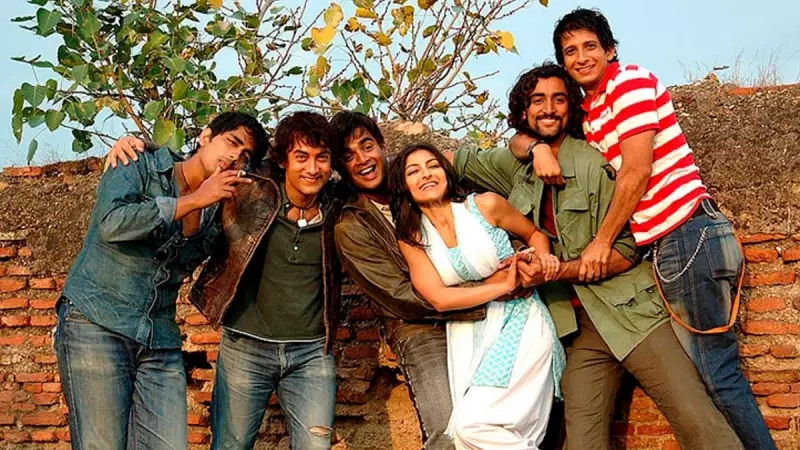
The film's brilliance lies in its seamless narrative structure, which slips in and out of two distinct tracks. On one hand, it delves into the revolutionary past of Bhagat Singh and his compatriots, while on the other, it portrays the lives of modern-day college students. These tracks intersect dynamically throughout the story, eventually merging into a single, cohesive thematic whole. This innovative approach allowed the film to draw parallels between the freedom struggle of the 1920s and the social activism of the 2000s, creating a timeless appeal.
Influences from History and Poetry
Bhagat Singh's legacy served as a cornerstone for the film's revolutionary spirit, inspiring the characters and plot with his ideals of sacrifice and patriotism. Additionally, the poetic contributions of Sahir Ludhianvi enriched the narrative, with his verses adding depth and emotional weight to key scenes. The youth of the era played a pivotal role, as their energy and disillusionment mirrored the film's central themes, making Rang De Basanti a voice for a generation seeking change.

Impact and Legacy Two Decades Later
Over the past 20 years, Rang De Basanti has cemented its place as a landmark in Indian cinema. Its success wasn't just measured at the box office; it sparked conversations about governance, corruption, and youth empowerment. The film's ability to balance entertainment with social commentary ensured its relevance, influencing countless other works in Bollywood and beyond. As we reflect on its anniversary, the movie stands as a testament to Rakeysh Omprakash Mehra's visionary direction and the enduring power of storytelling that bridges eras.