Rani Mukerji Celebrates Three Decades of Cinematic Excellence and Social Impact
With an illustrious career spanning three decades and encompassing 71 films, Rani Mukerji has masterfully traversed genres from romance and comedy to intense, socially charged dramas. Her unwavering conviction and constant reinvention have redefined what longevity means for a leading woman in Bollywood, challenging industry stereotypes at every turn.
A Journey of Reinvention and Breaking Boundaries
From her early breakthrough roles in Kuch Kuch Hota Hai, Saathiya, and Hum Tum to powerful performances in Black, Hichki, and Mrs Chatterjee vs Norway, Mukerji's filmography is marked by diversity and depth. The successful Mardaani franchise further cemented her status as an actor who refuses to be confined by conventional expectations.
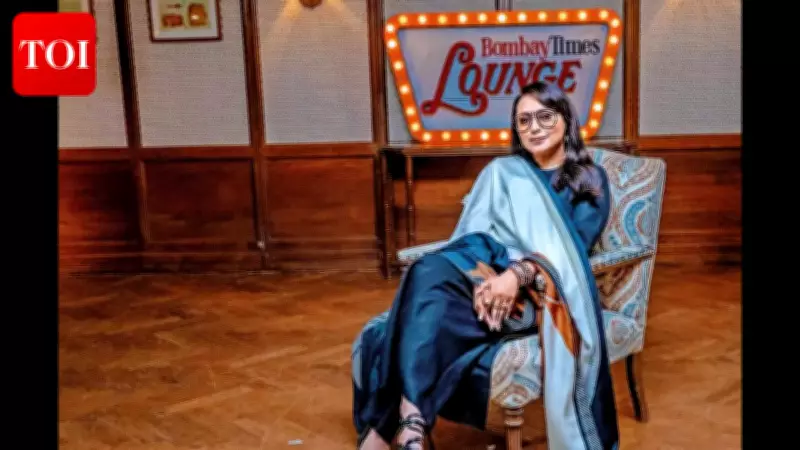
In a special Women's Day conversation on the Bombay Times Lounge, Mukerji opened up about shattering the glass ceiling, channeling her concerns about crimes against women through her art, and embracing vulnerability in a society that often expects women to "have it all together."

Shaping Conversations Through Powerful Roles
When asked if her roles have influenced how women are portrayed in Hindi cinema, Mukerji responded with conviction. "I do feel that many of these roles helped shape the conversation around how women are portrayed in our cinema," she stated. Her characters have consistently been written with agency and emotional intelligence, marking significant shifts in storytelling.
- Hum Tum represented a move toward urban, contemporary narratives
- Black beautifully showcased the strength of the human spirit and a woman's resilience
- Mardaani broke stereotypes with its portrayal of a tough, morally driven police officer
- No One Killed Jessica highlighted women's power in standing against injustice
- Hichki addressed inclusivity and learning disabilities with sensitivity
- Mrs Chatterjee vs Norway allowed her to anchor an intense emotional narrative single-handedly
Transforming Criticism into Strength
Reflecting on her early career, Mukerji discussed how she transformed criticism into motivation. "I think it is important that certain things hurt you, as you can then make them into building blocks for your life," she explained. Rather than being pulled down by negative comments, she used them to build resilience and character.
She emphasized that living according to others' opinions is not intelligent, noting that preferences change over time. "I'm very, very grateful for the comments – good and bad – because they have shaped me into the person and the actor that I am today," Mukerji added.
Mardaani's Enduring Relevance and Women's Voices
With the first Mardaani film releasing twelve years ago, Mukerji reflected on the continuing relevance of conversations about crimes against women. "What has changed in the 12 years is that today, women are not willing to be silenced," she observed. Women are now finding and asserting their voices more strongly than ever.
She shared personal experiences, noting that women often face untoward situations regardless of age or background, sometimes even within their own homes. These experiences have hardened women in various ways, and the need for caution has become paramount. "Today, we have no choice but to tell our children to be less trusting of people around them," Mukerji stated with concern.
Her frustration about these issues fuels her artistic expression. "The only way to channelise that is through my work, my art form," she explained. Becoming a mother to daughter Adira has further intensified her perspective on women's safety and empowerment.
Navigating Societal Contradictions and Personal Choices
Addressing the contradictory expectations placed on women – to be powerful yet soft, driven but not aggressive – Mukerji acknowledged the difficulty. "It generally comes from an attitude where no one wants to be scolded by a woman, no one wants to get a dressing down from a woman," she analyzed, suggesting that male ego often plays a role.

Her conscious decision to reduce her film output was driven by a desire to work with like-minded people and maintain meaningful engagement with her craft. "Especially after having my daughter, I think it's so important that she knows what I am doing means something," Mukerji emphasized.
Embracing Vulnerability and Emotional Authenticity
Mukerji challenged the myth that women must always be strong and composed. "Women should be given a break, because suppressing our emotions is the worst thing that we can do to our bodies and health," she asserted. She advocated for greater education about women's emotional journeys through different life stages and emphasized the importance of sharing struggles with trusted support systems.
Family Pride and Legacy
Regarding her ten-year-old daughter Adira's awareness of her impact, Mukerji shared, "She's slowly understanding it and she's very proud of me, which is beautiful." This pride from her inner circle – from parents to husband Aditya Chopra, and now her daughter – holds profound significance for the acclaimed actress.
As Rani Mukerji continues to evolve both personally and professionally, her journey stands as a testament to artistic integrity, social consciousness, and the power of women rewriting their own narratives in Indian cinema and beyond.