Ranveer Singh Secures Legal Relief in Kantara Mimicry Controversy
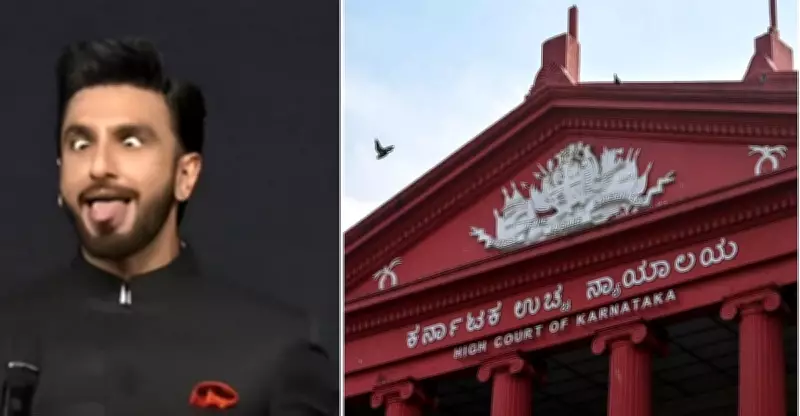
The Karnataka High Court has provided significant interim relief to Bollywood actor Ranveer Singh in the ongoing legal dispute surrounding his mimicry of the popular film Kantara. In a recent hearing, the court issued a directive to the police, explicitly instructing them to refrain from taking any coercive actions against the actor until the next scheduled court date. This decision comes amid allegations that Singh's actions, which involved mimicking scenes from Kantara, had offended public sentiments, with critics arguing that such portrayals disrespect cultural elements depicted in the movie.
Court's Directive and Legal Proceedings
During the proceedings, the High Court emphasized the need for a balanced approach, acknowledging the concerns raised by complainants while ensuring that Singh's rights are protected during the investigation phase. The court's order specifically bars law enforcement from initiating arrests, seizures, or any other forceful measures against the actor, pending further judicial review. This move is seen as a precautionary step to prevent potential harassment and allow for a fair legal process to unfold without undue pressure on the accused.
The case was filed by individuals who claimed that Ranveer Singh's mimicry, performed during a public event or media appearance, trivialized the serious themes and cultural significance of Kantara, a film celebrated for its portrayal of local traditions and folklore. Complainants argued that such acts could hurt the sentiments of communities who hold the movie in high regard, leading to calls for legal action under relevant sections of the law pertaining to defamation or public nuisance.

Background and Public Reaction
Kantara, released to critical acclaim, has garnered a massive following for its authentic depiction of rural life and mythological elements, making it a cultural touchstone in Karnataka and beyond. Ranveer Singh, known for his energetic and often controversial public persona, engaged in a mimicry act that parodied key scenes from the film, sparking immediate backlash on social media and among certain groups. Critics labeled the act as insensitive, suggesting that it undermined the artistic integrity and emotional depth of the original work.
In response, Singh's legal team contended that the mimicry was intended as light-hearted entertainment and did not aim to disrespect anyone. They highlighted the actor's history of engaging in similar comedic performances without malicious intent, arguing that the complaints were exaggerated and could stifle creative expression. The High Court's interim relief is viewed as a temporary reprieve, allowing both sides to present their arguments more thoroughly in subsequent hearings.
Implications and Next Steps
This case raises broader questions about the limits of artistic freedom versus cultural sensitivity in India's entertainment landscape. Legal experts note that while the law protects against genuine harm to public sentiments, it also upholds the right to free speech and expression. The Karnataka High Court's decision to halt coercive police action reflects a cautious stance, aiming to prevent any premature escalation that could impact Singh's career or personal life negatively.
The next hearing is scheduled to delve deeper into the merits of the case, examining evidence from both parties and potentially setting precedents for similar disputes in the future. Until then, Ranveer Singh remains shielded from immediate legal repercussions, though the controversy continues to fuel debates online and in public forums. Observers are keenly watching how this legal battle unfolds, as it could influence how celebrities and artists navigate the fine line between humor and respect in a diverse cultural context.