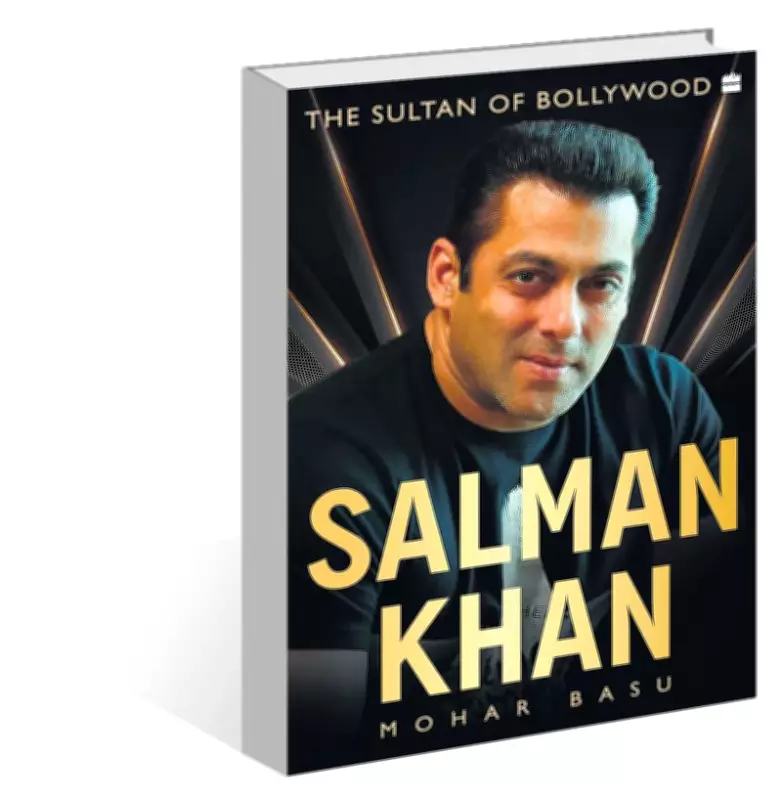
Mohar Basu's Salman Khan Biography: A Surface-Level Portrait of Bollywood's Enigma
Mohar Basu's new book, Salman Khan: The Sultan of Bollywood, has sparked significant discussion in literary and film circles. The biography aims to chronicle the life and career of one of India's most iconic and controversial actors, but according to recent reviews, it may leave readers feeling unsatisfied and questioning the true identity of the superstar.
A Comprehensive Yet Superficial Journey
The book meticulously covers Salman Khan's rise from a supporting actor in the late 1980s to becoming a box office titan with blockbusters like Maine Pyar Kiya, Hum Aapke Hain Koun..!, and the Dabangg series. Basu details his family background, including his lineage as the son of screenwriter Salim Khan, and explores his philanthropic efforts through the Being Human foundation. However, critics note that the narrative often skims the surface, presenting well-known facts without delving into the deeper motivations or contradictions that define Khan's public and private life.
The Central Critique: An Unanswered Question
The most striking aspect of the review is its conclusion: the book ultimately leaves readers asking, "But who is Salman Khan?" Despite its extensive research and anecdotes, Basu's work is criticized for failing to penetrate the actor's enigmatic persona. It highlights his career milestones and legal controversies—such as the hit-and-run case and blackbuck poaching incident—but does not provide new insights or a cohesive understanding of the man behind the celebrity. This lack of depth makes the biography feel more like a compiled timeline than an exploratory portrait.

Strengths and Weaknesses in Narration
On the positive side, Basu's writing is engaging and accessible, making it a readable account for Bollywood enthusiasts. The book includes interviews with industry insiders and traces Khan's impact on Indian cinema, emphasizing his role in shaping the "masala" film genre. Yet, it falls short in critical analysis, avoiding tough questions about his off-screen behavior and the dichotomy between his charitable image and personal scandals. This omission is seen as a missed opportunity to offer a balanced perspective.
Impact on Bollywood Literature
This biography enters a crowded field of works on Bollywood stars, and its reception suggests a growing demand for more nuanced portrayals. While it serves as a useful primer for those unfamiliar with Salman Khan's career, it may disappoint readers seeking a profound exploration of his complexities. The review implies that Basu's book, though informative, reinforces the mystery surrounding Khan rather than unraveling it, prompting further reflection on how public figures are documented in Indian media.
In summary, Salman Khan: The Sultan of Bollywood is a detailed but superficial account that highlights the challenges of biographing a larger-than-life personality. It leaves audiences pondering the elusive nature of stardom and the gaps in our understanding of one of Bollywood's most enduring icons.