Sara Ali Khan Submits Faith Affidavit for Badrinath-Kedarnath Temple Filming
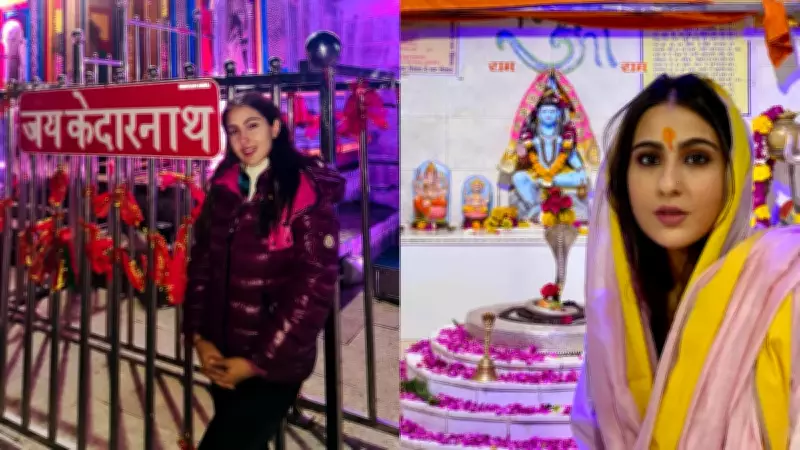
In a significant development for Bollywood and religious tourism, actress Sara Ali Khan has formally submitted a faith affidavit to the Badrinath-Kedarnath Temple Committee. This legal document, required for filming at the sacred sites, underscores her commitment to respecting the religious sentiments and cultural sanctity of these revered Hindu temples in Uttarakhand.
Details of the Affidavit and Filming Permission
The affidavit, submitted in March 2026, outlines Sara Ali Khan's pledge to adhere strictly to the guidelines set by the temple committee during the filming process. It includes assurances that no activities will disrupt the spiritual ambiance or daily rituals of the temples. The move comes as part of pre-production preparations for an upcoming project, though specific details about the film remain undisclosed. The temple committee, responsible for managing the Badrinath and Kedarnath shrines, has emphasized the importance of such affidavits to prevent any potential controversies or disrespect towards the religious sites.
Background and Significance of the Temples
Badrinath and Kedarnath are among the holiest pilgrimage destinations in Hinduism, attracting millions of devotees annually. Located in the Garhwal Himalayas of Uttarakhand, these temples hold immense spiritual and historical value. The Badrinath Temple is dedicated to Lord Vishnu, while the Kedarnath Temple is dedicated to Lord Shiva. Their inclusion in the Char Dham pilgrimage circuit makes them central to Hindu faith, and any filming activity requires meticulous planning to avoid offending religious sensibilities.
The temple committee has a long-standing policy of regulating commercial activities, including film shoots, to preserve the sanctity of the sites. In the past, similar affidavits have been required from other filmmakers and celebrities to ensure compliance with religious norms. Sara Ali Khan's submission reflects a growing trend in Bollywood to engage with sacred locations responsibly, balancing creative expression with cultural respect.
Implications for Bollywood and Religious Tourism
This development highlights the intersection of entertainment and spirituality in India. By obtaining formal permission through a faith affidavit, Sara Ali Khan sets a precedent for ethical filmmaking at religious sites. It also promotes Uttarakhand as a filming destination, potentially boosting local tourism and economy. The temple committee's role in overseeing such activities ensures that religious traditions are upheld, while allowing for controlled exposure through media.
Experts note that such measures help prevent conflicts between filmmakers and religious authorities, which have arisen in previous instances. For instance, controversies over inappropriate portrayals or disruptions during shoots have led to stricter regulations. Sara Ali Khan's proactive approach, as evidenced by the affidavit, may encourage other actors and production teams to follow similar protocols when filming at sensitive locations.
Future Prospects and Industry Response
As of March 2026, the temple committee is reviewing the affidavit and is expected to grant filming permissions soon, pending compliance with all stipulated conditions. Industry insiders speculate that this could pave the way for more Bollywood projects in the region, provided they respect religious guidelines. Sara Ali Khan, known for her roles in films like "Kedarnath" and "Simmba," has previously shown an interest in projects with cultural and spiritual themes, making this move a natural extension of her career trajectory.
In conclusion, Sara Ali Khan's submission of a faith affidavit to the Badrinath-Kedarnath Temple Committee marks a careful step towards responsible filmmaking. It underscores the importance of honoring religious sentiments while pursuing artistic endeavors, setting a positive example for the entertainment industry. As the process unfolds, it will be closely watched by both Bollywood enthusiasts and religious communities, highlighting the delicate balance between creativity and faith in modern India.