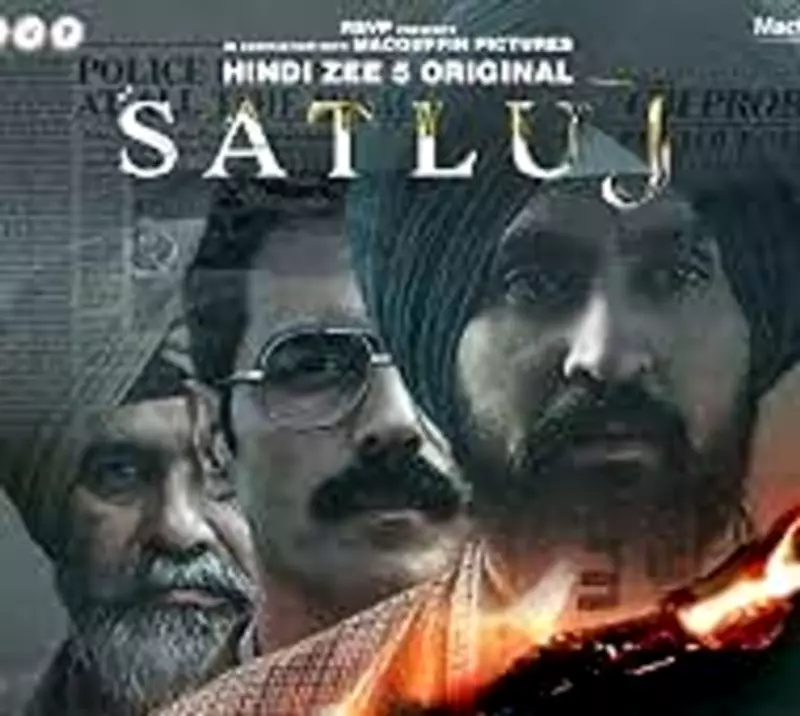
The removal of the Diljit Dosanjh-starrer film 'Satluj' from the ZEE5 OTT platform has sparked a fierce debate in Punjab, with politicians, activists, and legal experts questioning the motives behind the censorship. The movie, which portrays the life of human rights activist Jaswant Singh Khalra, was released on Friday, July 3, 2026, and withdrawn just two days later on Sunday night.
Political Reactions and Allegations of Censorship
Shiromani Akali Dal president Sukhbir Singh Badal condemned the removal, calling it 'not censorship but an assault on our collective memory, truth, and freedom of expression.' Aam Aadmi Party MP Malwinder Kang from Anandpur Sahib was among the first to react, stating, 'When a nation begins to fear its own history, censorship becomes its most dangerous weapon. I unequivocally condemn the unexplained removal of *Satluj* from Zee5 India. A film that compels India to confront one of Punjab's darkest chapters and portrays the alleged human rights violations of the 1980s–90s, brought to light through the courageous struggle of Jaswant Singh Khalra, has suddenly been made unavailable without any transparent explanation… Why? Who is afraid of Punjab's truth?'
Government Justification and Security Concerns
The government justified the removal, citing concerns that the film 'could be exploited to draw support for pro-Khalistan movement, ahead of Punjab elections.' However, many argue that this reasoning is flawed and undermines creative expression.

Legal Perspective on the Biopic
Eminent criminal lawyer and former Advocate General of Punjab, R S Cheema, told The Tribune that the Khalra case had gone up to the Supreme Court, which recorded that Khalra was a human rights activist assassinated by police officers. 'What is wrong with depicting this in a biopic?' he asked, highlighting the legal recognition of Khalra's status.
Divergent Views Among Hindu Leaders
Hindu leaders in the state expressed caution. Veteran BJP leader Manoranjan Kalia told The Tribune that the film showcases 'the darkest side of Punjab history, which everyone wants to bury. We only want to remind ourselves of this past so that it’s never repeated. Peace has been hard-earned in Punjab. Such films rip open old wounds and it’s best avoided showcasing these films.' Similarly, former minister and senior Congress Hindu leader Bharat Bhushan Ashu stated that such films, released in a politically-charged atmosphere, 'have the tendency to disturb peace and communal harmony. It’s for everyone’s good that the movie has been withdrawn.'
Public Response and Broader Implications
The controversy has ignited a broader debate about freedom of expression, historical truth, and the selective memory of Punjab's turbulent past. The film, originally titled 'Punjab 95', had gained significant traction for its portrayal of events in the 1980s and 1990s when the state faced terrorism. As the debate continues, many are calling for transparency and a reassessment of censorship policies that they believe are being used to suppress uncomfortable truths.