Supreme Court Upholds Title of 'Yadav Ji ki Love Story', Dismisses Caste Defamation Claims
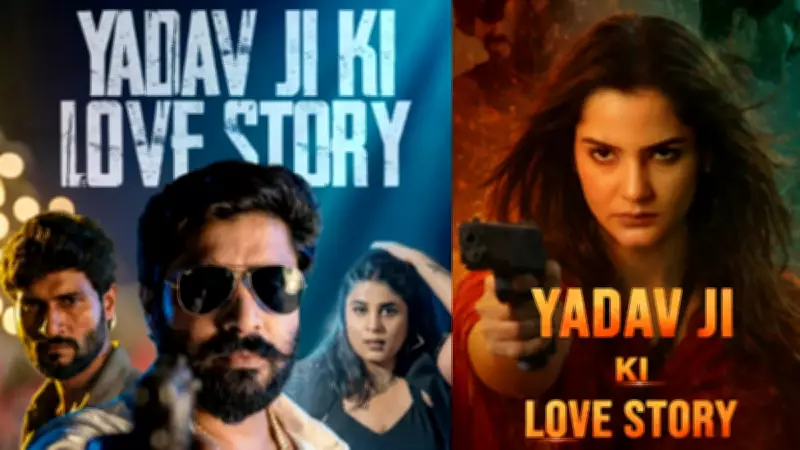
The Supreme Court of India has delivered a significant ruling in the entertainment sector by refusing to impose a ban or mandate a title change for the movie 'Yadav Ji ki Love Story'. In a decision announced on February 25, 2026, the court firmly stated that the film does not portray caste in a bad light, thereby rejecting allegations of offensive stereotypes against the community.
Petitioner's Allegations and Court's Response
The case was brought before the Supreme Court by a petitioner who raised serious concerns about the movie's content. The petitioner alleged that the title and portrayal in 'Yadav Ji ki Love Story' created an offensive stereotype against the Yadav community, a significant social group in India. Specifically, the petitioner argued that the depiction of the female lead and the overall narrative could perpetuate harmful biases and disrespect caste sensitivities.
However, the Supreme Court, after thorough deliberation, found these claims unsubstantiated. The bench emphasized that artistic expression must be protected under constitutional freedoms, and there was no evidence to suggest the film maligns or defames any caste. The court highlighted that the title itself, while referencing a community, does not inherently carry negative connotations and should not be censored without clear proof of harm.

Implications for Indian Cinema and Caste Discourse
This ruling has broader implications for the Indian film industry and ongoing discussions around caste representation in media. By upholding the title and content of 'Yadav Ji ki Love Story', the Supreme Court reinforces the principle that creative works should not face undue restrictions based on subjective interpretations of caste issues. The decision underscores the need for a balanced approach that respects both artistic freedom and social sensitivities, without resorting to bans that could stifle expression.
Legal experts note that this case adds to a growing body of jurisprudence on caste and media in India, where courts often weigh individual rights against community concerns. The ruling may set a precedent for future disputes involving film titles and caste depictions, encouraging filmmakers to engage with sensitive topics while adhering to legal and ethical standards.
Public and Industry Reactions
Following the Supreme Court's decision, reactions have been mixed. Supporters of the film applaud the court for safeguarding creative liberty and preventing what they see as unnecessary censorship. They argue that movies like 'Yadav Ji ki Love Story' can foster dialogue and understanding rather than division, when handled responsibly.
On the other hand, some community advocates express disappointment, fearing that the ruling might embolden filmmakers to overlook caste sensitivities in pursuit of commercial success. They call for continued vigilance and dialogue to ensure that media representations do not reinforce stereotypes or marginalize any groups.
As the entertainment industry digests this ruling, it serves as a reminder of the complex interplay between law, art, and social identity in contemporary India. The Supreme Court's stance is clear: while concerns over caste depiction are valid, they must be substantiated with concrete evidence before warranting restrictive measures like bans or title changes.