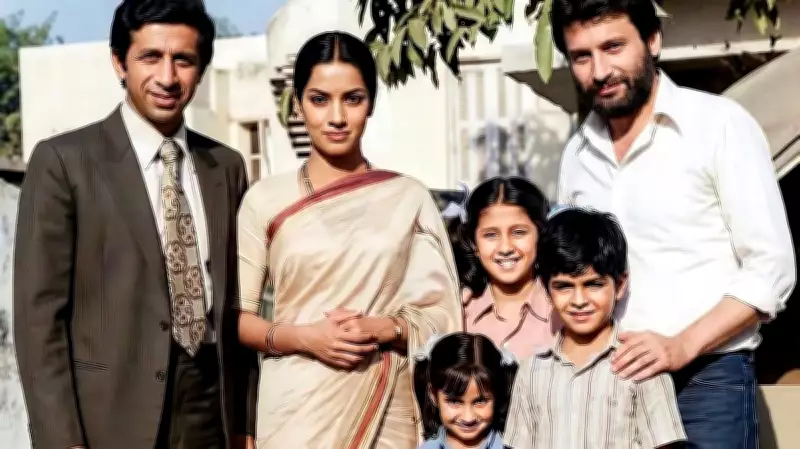
Shekhar Kapur Reflects on the Journey of His Debut Film 'Masoom'
Renowned filmmaker Shekhar Kapur recently took a nostalgic trip down memory lane, reminiscing about his first directorial venture, the 1983 film 'Masoom'. In a heartfelt recollection, Kapur shared insights into the making of this classic movie, which starred acting powerhouses Naseeruddin Shah and Shabana Azmi in pivotal roles. The film, based on the novel 'Man, Woman and Child' by Erich Segal, marked Kapur's entry into Bollywood and has since been celebrated as a timeless piece of Indian cinema.
From Literary Adaptation to Silver Screen Success
Kapur highlighted how 'Masoom' originated from a simple article he read, which later evolved into a full-fledged movie script. He expressed admiration for the original novel's emotional depth and its exploration of family dynamics, themes that resonated deeply with him. The director emphasized the challenges of adapting a foreign literary work for an Indian audience, noting that he aimed to retain the core essence while infusing it with local cultural nuances. This careful balancing act, according to Kapur, was key to the film's authenticity and widespread appeal.
The casting process was another significant aspect Kapur fondly remembered. He praised Naseeruddin Shah and Shabana Azmi for their exceptional performances, which brought the characters to life with remarkable sensitivity. Kapur recalled how both actors immersed themselves in their roles, contributing to the film's emotional gravitas. Their on-screen chemistry, he noted, was instrumental in conveying the complex relationships at the heart of the story, making 'Masoom' a poignant narrative about love, loss, and reconciliation.

Overcoming Initial Hurdles and Achieving Critical Acclaim
Despite its eventual success, 'Masoom' faced several obstacles during its production. Kapur shared anecdotes about budget constraints and logistical issues that tested his resolve as a first-time director. However, he credited the dedicated crew and supportive producers for helping navigate these challenges. The film's release was met with positive reviews from critics, who lauded its heartfelt storytelling and powerful performances. Over the years, 'Masoom' has garnered a cult following, with audiences appreciating its subtle yet impactful portrayal of human emotions.
Kapur also reflected on the film's lasting legacy in Bollywood. He expressed gratitude for the opportunity to work on such a meaningful project early in his career, which set the tone for his future endeavors in filmmaking. The director acknowledged that 'Masoom' taught him valuable lessons about storytelling and character development, principles he has carried forward in his subsequent works. This reflection underscores the film's enduring influence not only on Kapur's career but also on Indian cinema as a whole.
Key Takeaways from Kapur's Recollection
- 'Masoom' was adapted from Erich Segal's novel 'Man, Woman and Child', blending international themes with Indian sensibilities.
- The film featured stellar performances by Naseeruddin Shah and Shabana Azmi, who were pivotal to its emotional depth.
- Despite production challenges, the movie achieved critical acclaim and has maintained a loyal fan base over decades.
- Kapur's experience with 'Masoom' shaped his directorial approach, influencing his later projects in Bollywood and beyond.
In conclusion, Shekhar Kapur's reminiscence of 'Masoom' offers a fascinating glimpse into the making of a Bollywood classic. From its humble beginnings as a novel adaptation to its status as a beloved film, the journey highlights the dedication and creativity involved in cinematic storytelling. As Kapur looks back, it is clear that 'Masoom' remains a cherished milestone in his illustrious career, continuing to inspire filmmakers and audiences alike with its timeless narrative.