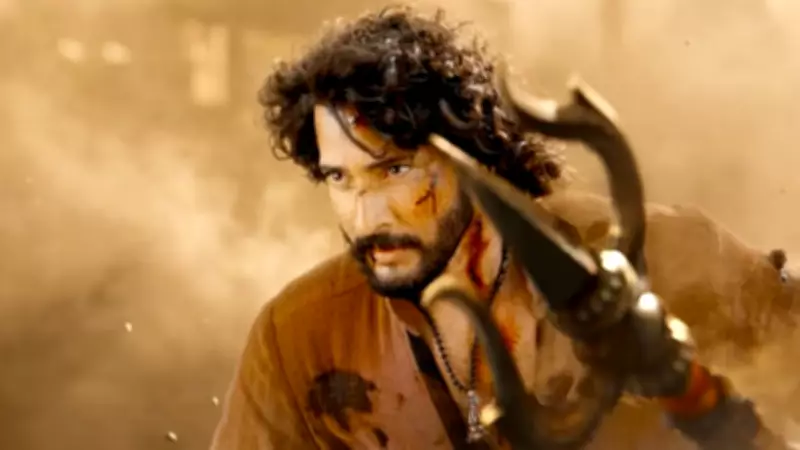
In a recent online exchange, Baahubali producer Shobu Yarlagadda has taken a firm stand in support of visual effects artists, responding to an internet user who speculated about the role of artificial intelligence in creating the visuals for SS Rajamouli's upcoming epic film Varanasi. The highly anticipated movie, starring Mahesh Babu, Priyanka Chopra, and Prithviraj Sukumaran in pivotal roles, unveiled its first grand glimpse of the cinematic world in November 2025, sparking widespread discussion across digital platforms.
Social Media Buzz and AI Speculations
Following the release of the first look, online conversations quickly shifted focus from the storyline and star cast to the technical aspects of the visuals. Many viewers began questioning whether the stunning imagery was generated using advanced AI tools, leading to a growing debate on social media about the future of visual effects in filmmaking. This discourse highlighted a broader industry trend where artificial intelligence is increasingly seen as a potential disruptor in creative fields.
SS Rajamouli's Clarification on VFX Efforts
Addressing these speculations, acclaimed director SS Rajamouli recently explained in an interview with Polygon that the three-minute glimpse of Varanasi represented weeks of meticulous manual labor. He emphasized that dedicated artists worked tirelessly day and night to bring these complex visuals to life, underscoring that such craftsmanship cannot be easily or quickly replicated by automated processes. Rajamouli's comments served to highlight the immense effort and time investment required for high-quality visual effects work in contemporary cinema.

Netizen's Perspective on AI Evolution
After Rajamouli's interview, an X (formerly Twitter) user shared a lengthy post predicting significant advancements in AI video generation technology. The user suggested that by the time Varanasi releases in 2027, artificial intelligence tools would be so sophisticated that similar visual content could potentially be created from a personal laptop. The post further argued that AI would become an essential tool for VFX artists, streamlining pre-visualization processes and enabling faster iterations while saving countless hours of manual work.
Shobu Yarlagadda's Strong Rebuttal
In a powerful response, producer Shobu Yarlagadda directly countered these assertions, labeling the suggestion that AI could replace artistic effort as trash and an insult to the artists. While acknowledging that AI might eventually serve as a helpful tool for enhancing efficiency in certain aspects of production, Yarlagadda made a clear distinction between technological assistance and creative artistry. He argued that the netizen was conflating two fundamentally different concepts—the potential utility of AI as a supplementary tool versus the irreplaceable human creativity and hard work that forms the foundation of visual storytelling.
Industry Implications and Release Details
This exchange reflects ongoing tensions within the entertainment industry as technological advancements continue to reshape creative processes. While artificial intelligence offers promising possibilities for streamlining workflows, industry veterans like Yarlagadda and Rajamouli emphasize the enduring value of human artistry and dedication. Varanasi remains scheduled for a theatrical release on April 7, 2027, with expectations running high for what promises to be another visual spectacle from the team behind cinematic landmarks like Baahubali.