Meryl Streep Reveals True Inspirations for Miranda Priestly Role
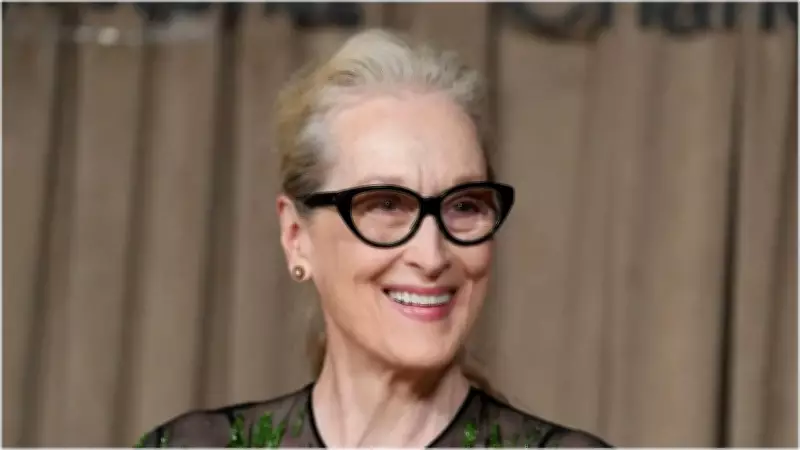
In a surprising revelation ahead of the highly anticipated sequel to The Devil Wears Prada, legendary actor Meryl Streep has clarified the real-life inspirations behind her iconic portrayal of Miranda Priestly, debunking a long-standing fan theory that has persisted for nearly two decades.
Debunking the Anna Wintour Theory
As per People magazine, in a recent interview, Streep directly addressed the widespread speculation that her formidable fashion editor character was based on real-life Vogue editor Anna Wintour. For years, fans and media have drawn parallels between the fictional Miranda Priestly and Wintour's commanding presence in the fashion industry.
However, Streep has now set the record straight, revealing that two completely different Hollywood legends actually shaped her award-winning performance.

The Dual Inspirations: Nichols and Eastwood
"I was basically imitating Mike Nichols that whole time," Streep confessed during the interview. She elaborated with a vivid comparison: "If Mike Nichols and Clint Eastwood had a baby... it would be Miranda Priestly."
The Oscar-winning actor provided detailed insights into how each of these cinematic giants influenced different aspects of her character's persona.
Mike Nichols' Influence: Streep explained that the late director's distinctive style profoundly influenced Miranda's sharp yet humorous authority. "The command on the set. And Mike would do it sort of with a sly humor," she recalled. "People take it as mean, but it's funny. I think it's funny." This blend of intimidating presence with underlying wit became a cornerstone of Miranda Priestly's character.
Clint Eastwood's Contribution: By contrast, Eastwood inspired a quieter, more understated form of power. "Clint would never raise his voice," Streep noted, adding, "He would direct and people had to lean forward to hear what he was saying." This element created Miranda's chilling, whisper-quiet intensity that often proved more powerful than shouting.
Reactions from the Inspirations Themselves
While Streep hasn't shared this insight with Eastwood, she revealed that Nichols was fully aware and delighted by the tribute. "I told Mike, and he was thrilled," she added, as quoted by People magazine.
Reflections on the Film's Legacy and Budget Challenges
Reflecting on the original film's initial reception, Streep recalled it being dismissively labelled a "chick-flick," a designation that significantly affected its production budget. "That designation has not worn well," she observed, citing the monumental success of recent female-led films like Barbie and Mamma Mia!.
"We had to scramble for our budget," she said of the 2006 original, adding with evident satisfaction about the upcoming sequel, "This one, honey, they spent the money."
Timing with the Upcoming Sequel
This fascinating revelation comes as anticipation builds for The Devil Wears Prada 2, which is slated for release on May 1. The timing provides fresh context for one of cinema's most memorable characters just as audiences prepare to revisit Miranda Priestly's world.
Streep's insights not only clarify the creative origins of her iconic role but also highlight how Hollywood's gender perceptions have evolved since the original film's release, making this revelation particularly timely and significant.