Subhash Ghai Weighs In on Communal Undertones Debate in Bollywood
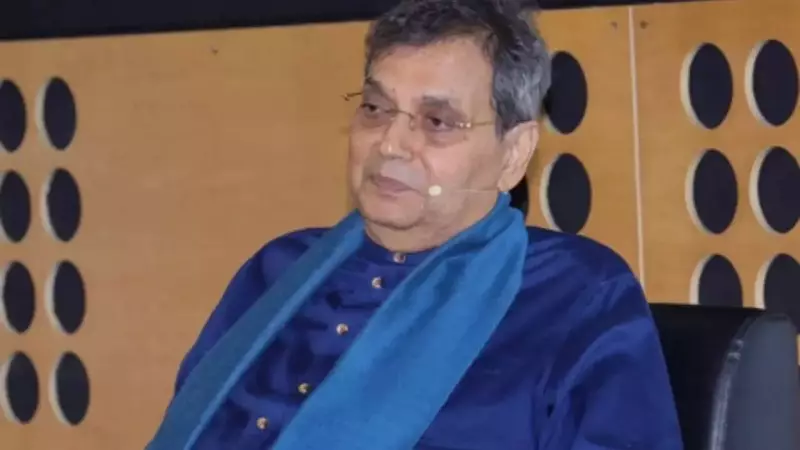
Veteran filmmaker Subhash Ghai has offered his perspective on the ongoing discussion about communal undertones within the Indian film industry. In an exclusive interview with IANS, the acclaimed director subtly rejected recent allegations made by some artists, including Oscar-winning composer A.R. Rahman, stating that this phenomenon is not new and has persisted for decades.
Ghai's Historical Perspective on Communal Issues
When questioned about whether the film industry remains insulated from societal divisions, Ghai drew from his personal experiences to provide context. "See, I was born in Nagpur and did my schooling in Delhi. We used to stay in Chandani Chowk. This issue was there when I was in the 8th standard, it was still there when I went to college, and still existed when I shifted to Mumbai," he shared, highlighting the longstanding nature of these discussions.
The director, known for iconic films like 'Taal' and 'Karma', emphasized that topics of communal harmony and unrest have been part of public discourse for years and will likely continue to be debated in the future. He pointed out that those dedicated to their craft typically remain unaffected by such controversies, focusing instead on their artistic pursuits.

Context of A.R. Rahman's Comments
Ghai's remarks come in the wake of recent comments by music maestro A.R. Rahman, who suggested during a media interaction that he might be receiving limited work offers in Bollywood due to non-creative individuals holding decision-making power, possibly with communal undertones. "People who are not creative have the power now to decide things, and this might have been a communal thing also, but not in my face," Rahman had stated.
Following significant backlash, the composer later clarified his statements, expressing that he did not intend to hurt anyone and feels blessed to be Indian. This incident has fueled broader conversations about inclusivity and bias within the entertainment sector.
Ghai's Advice to the Industry
During his interaction, Ghai cautioned against overinterpreting individual remarks and unnecessarily escalating controversies. "Do not make it a huge issue by trying to understand the meaning of someone's single statement. People who know their work remain unaffected and continue to focus on their craft, and those who wish to do politics are doing just that," the director concluded.
His perspective underscores a belief that the film industry, while reflective of broader societal issues, should prioritize artistic excellence over political narratives. This stance adds to the ongoing dialogue about how Bollywood navigates complex social dynamics while maintaining its creative output.