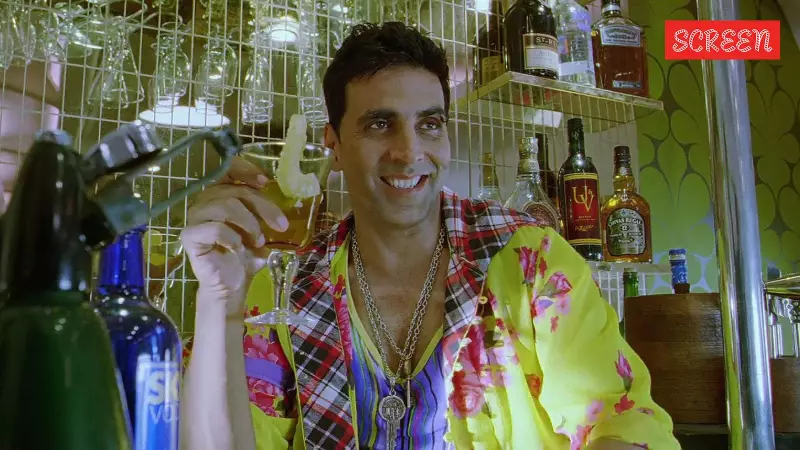
Fifteen years after its theatrical release, Farah Khan's unapologetically madcap film Tees Maar Khan has staged an improbable comeback in the collective consciousness of cinephiles. Initially brutalized by critics and audiences alike upon its debut in December 2010, the film has since transformed into a bona fide cult classic, celebrated for its distinctive, no-holds-barred brand of absurdist comedy.
From Critical Pan to Cult Adoration
The journey of Tees Maar Khan is a fascinating study in shifting audience perceptions. When it first hit screens, the film was met with severe criticism. However, over the past decade and a half, its relentless, method-to-the-mayhem approach has found a dedicated audience that appreciates its unique chaos. The plot, where Akshay Kumar's character cons an entire village into making a shoddy patriotic film to pull off a heist, brilliantly skewers the film industry's obsession with nationalism and awards. The meta-narrative sees the fictional film within the film, a B-grade freedom-fighter epic, being adored internationally and even sent to the Oscars—a joke that, as many note, writes itself.
The Farah Khan and Shirish Kunder Collaboration
A key factor that sets Tees Maar Khan apart in Farah Khan's filmography is that it marked her first collaboration with a script written by Shirish Kunder (co-written with Ashmith Kunder). This partnership ushered in a new tone. While Khan's earlier hits like Main Hoon Na and Om Shanti Om balanced satire with heartfelt drama and nostalgic affection for Bollywood, Kunder's script embraced pure, unadulterated farce. The film refuses to pause for sincerity or provide an emotional safety net. Instead, it stretches absurdity to its limit, challenging viewers to either buy into the madness or recognize that the sheer commitment to the bit is the joke itself.

Kunder's influence brought a specific brand of irreverent and absurdist humor, where excess became the point. Everything was fair game, and nothing was sacred. This is evident in the film's sharpest parody: its takedown of the Indian film industry's Oscar obsession. The sequence featuring Akshaye Khanna as the perpetually starving superstar Aatish Kapoor, who knows the only path to the Academy Award is to play a "suffering Indian," remains a masterclass in satire. Khanna's performance, alongside Akshay Kumar posing as a Hollywood director, has only grown in stature with time.
A Cast Embracing the Madness
The film is riddled with self-aware, shameless inside jokes that have contributed to its cult status. Katrina Kaif played an actress whose sole talent was performing item numbers. Salman Khan made a special appearance in an Eid song, seemingly teleported from another film set. Notably, respected trade analyst Komal Nahta made his acting debut, solemnly declaring a B-movie as "French cinema." In a twist of planned coincidence, Farah Khan ended up making a gloriously chaotic B-movie about the making of a B-movie.
Yet, beneath the relentless gags and parody, Farah Khan's directorial soul peeks through. The character of Tees Maar Khan stumbles into a genuine arc, accidentally discovering community and the unifying power of cinema. The film subtly suggests that Indian filmmakers might not need Western validation and that their own storytelling traditions are sufficient. However, true to its nature, it never underlines this message. It laughs through its ideas and moves on, which ironically becomes its most honest trait.
As Tees Maar Khan completes 15 years, its legacy is clear. It stands as Farah Khan's most distinctive and daring film—a reckless, hilarious farce that was simply ahead of its time. The jokes may write themselves, but it was Khan's guiding hand that delivered the unforgettable punchline.