Senior Congress Leader Shashi Tharoor Condemns 'The Kerala Story 2' as Divisive Propaganda
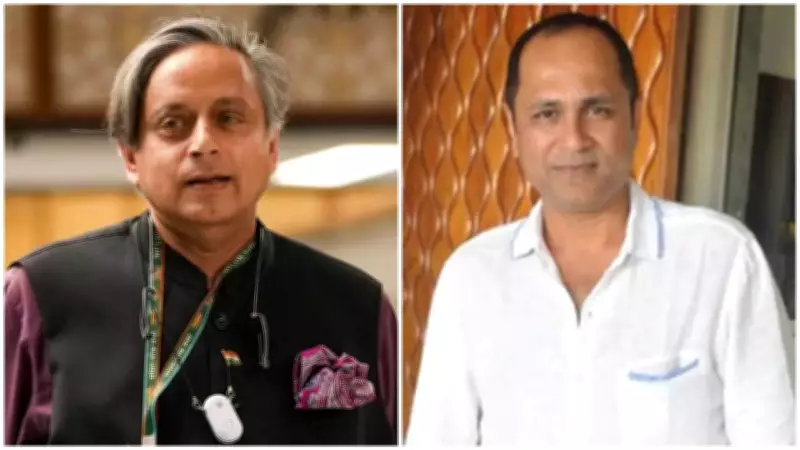
Senior Congress MP Shashi Tharoor launched a sharp critique on Thursday against the makers of the upcoming film The Kerala Story 2 – Goes Beyond. He alleged that the sequel, much like its predecessor, promotes divisive narratives without any factual foundation and poses a significant risk of spreading hatred throughout society.
Tharoor Labels Original Film as 'Hate-Mongering' and Factually Inaccurate
Speaking to reporters in New Delhi, Tharoor described the first installment, The Kerala Story, as a "hate-mongering film" that completely lacked any solid foundation. He specifically disputed the large-scale religious conversion figures that were cited in the original movie, claiming they were grossly exaggerated and misleading.
"The first film, Kerala Story, was a hate-mongering film. It lacked any foundation. They were saying that thousands of people were converted, which is not true. I think there were around 30 such cases over a number of years. Ours is a very big country. If a case occurs here and there, it doesn't mean you should turn it into a big story and use it as propaganda," Tharoor stated emphatically.

Contrast with Past Cinema and Questioning the Motive
Drawing a stark contrast with earlier Indian cinema, Tharoor nostalgically referred to classic films such as Amar Akbar Anthony, which he said celebrated communal harmony and unity. He noted that such films even received entertainment tax exemptions during their time, highlighting a different cinematic ethos.
"What’s the point of saying things that will only spread hatred in people's minds and are not even correct? In our childhood, films like Amar Akbar Anthony used to get entertainment tax exemptions," he remarked, questioning the underlying motive behind producing divisive content.
Producer Vipul Shah Vigorously Defends the Sequel
Responding to the growing controversy, producer Vipul Amrutlal Shah defended the sequel and raised pointed questions about why films are being singled out for allegedly disturbing social harmony when real-life criminal cases do not trigger similar levels of public outrage.
"I think it is extremely sad and ironic that such concerns are raised only when a film addresses these issues," Shah told PTI, citing recent criminal cases involving alleged religious conversions as context for the film's narrative.
He argued that if actual crimes are being thoroughly investigated and prosecuted by authorities, then portraying these issues in cinema should not automatically be viewed as a direct threat to social harmony.
"Actual crimes and the individuals accused of committing them do not seem to spark the same level of outrage about social disharmony. Yet a cinematic portrayal of these issues is seen as a threat," he added, emphasizing the film's role in reflecting societal realities.
Legal Scrutiny and Political Backlash Intensify
The sequel, directed by Kamakhya Narayan Singh, is officially slated for release on February 27. The recently unveiled trailer explores sensitive themes of religious conversion, with stories set across diverse locations including Rajasthan, Madhya Pradesh, and Kerala.
However, the film has now come under significant legal scrutiny. A formal petition challenging the trailer and its specific portrayal of Kerala has been filed before the High Court. Acting promptly on the plea, the court has issued notices to the Ministry of Information and Broadcasting, the Central Board of Film Certification, and the film’s producer. The matter is scheduled to be heard on February 24, just days before the planned release.
Kerala Chief Minister Joins the Fray with Strong Criticism
Kerala Chief Minister Pinarayi Vijayan also entered the controversy with strong criticism of the project. He labeled the first film as "hate-mongering" and urged that the sequel's release be viewed with the "utmost gravity."

In a detailed post on social media platform X, he wrote, "It is shocking how fabricated narratives aimed at inciting communal discord receive a free pass, while critical expressions of art get gagged. We must stand united against these attempts to paint our land of harmony as a hub of terror. The truth shall always prevail."
The escalating debate underscores the deep political and social divisions surrounding cinematic portrayals of sensitive religious issues, setting the stage for further legal and public discourse as the release date approaches.