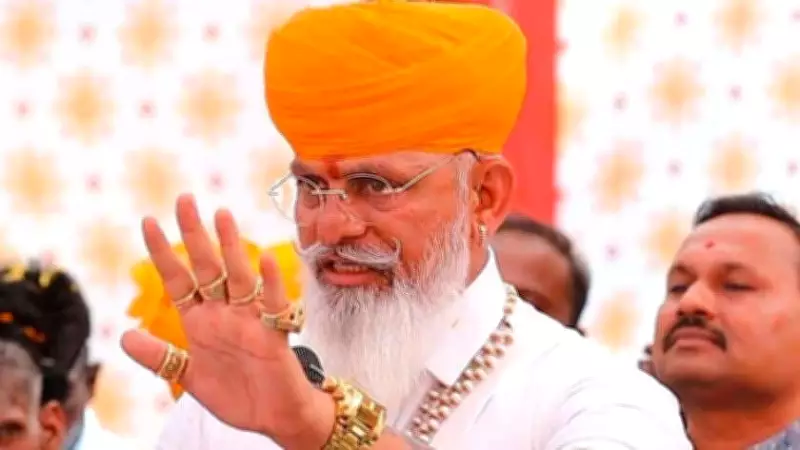
Uttar Pradesh Right-Wing Leader Issues Threats Over Films Allegedly Targeting Sanatan Dharma
A prominent right-wing leader in Uttar Pradesh has issued stern warnings and threats to filmmakers over movies that are perceived to be targeting Sanatan Dharma, a term often used to refer to Hindu traditions and beliefs. This development has sparked significant controversy and legal action in the state, highlighting ongoing tensions between creative expression and religious sentiments.
FIR Lodged Against Filmmakers of 'Yadav Ji Ki Love Story'
In a related incident, an FIR was officially lodged on February 18, 2026, in Sambhal, Uttar Pradesh, against the producer, director, and main leads of the soon-to-be-released Hindi film Yadav Ji Ki Love Story. The complaint alleges that the film contains content that disrespects or targets Sanatan Dharma, leading to the legal action. Authorities have confirmed the filing, though specific details of the allegations remain under investigation.
The film, which has been in production and is slated for release in the coming months, has now become a focal point in the broader debate over artistic freedom and religious sensitivity in India. The right-wing leader's threats have amplified concerns among the film industry, with many calling for a balanced approach that respects both creative liberties and cultural values.

Background and Implications
This incident is not isolated; it reflects a growing trend in India where films and other media are scrutinized for their portrayal of religious themes. Sanatan Dharma, often interpreted as eternal or ancient Hindu principles, has been a sensitive topic in recent years, with various groups advocating for its protection from perceived insults or misrepresentations.
- The right-wing leader's threats have raised alarms about potential censorship and intimidation in the entertainment sector.
- Legal experts note that while FIRs can be filed based on complaints, the judicial process must determine the validity of such claims to prevent misuse.
- The film industry has expressed worries over the chilling effect such actions might have on storytelling and innovation in cinema.
As of February 22, 2026, the situation remains fluid, with ongoing investigations into the FIR and continued dialogue between stakeholders. The outcome could set a precedent for how similar cases are handled in the future, impacting both filmmaking and religious discourse in the country.