Women's Day 2026 Celebrates Female Antagonists with Noble Causes
International Women's Day 2026 brings a fresh perspective on female characters in cinema, shifting the focus from traditional villains to complex antagonists driven by righteous motives. Gone are the days when female antagonists were merely depicted as power-hungry figures with dark aesthetics. Modern storytelling has evolved to portray these women as multifaceted individuals whose actions, often labeled as 'evil', are rooted in social injustice, protection, and a quest for greater good.
The Evolution of Female Villains in Film
Historically, female villains were stereotyped as gothic, manipulative characters solely intent on domination. However, contemporary narratives have transformed them into symbols of resistance and moral ambiguity. These characters challenge conventional norms, appealing to audiences more than some protagonists due to their relatable struggles and noble intentions. Their stories highlight how societal pressures and injustices can shape one's path, blurring the lines between hero and villain.
Elphaba in 'Wicked': A Rebel for Animal Rights
In Jon M. Chu's adaptation of 'Wicked', Cynthia Eviro portrays Elphaba, the green-skinned witch, as a misunderstood rebel campaigning fiercely for animal rights. Unlike the traditional 'Wizard of Oz' depiction, Elphaba rejects the privileges of the Wizard to stay true to her principles, even at the cost of her friendship with Glinda. Her isolated life fuels her schemes for justice, yet she never seeks heroism, willingly disappearing without revealing her full story, embodying selfless activism.

Maleficent in 'Maleficent': A Protector Turned Dictator
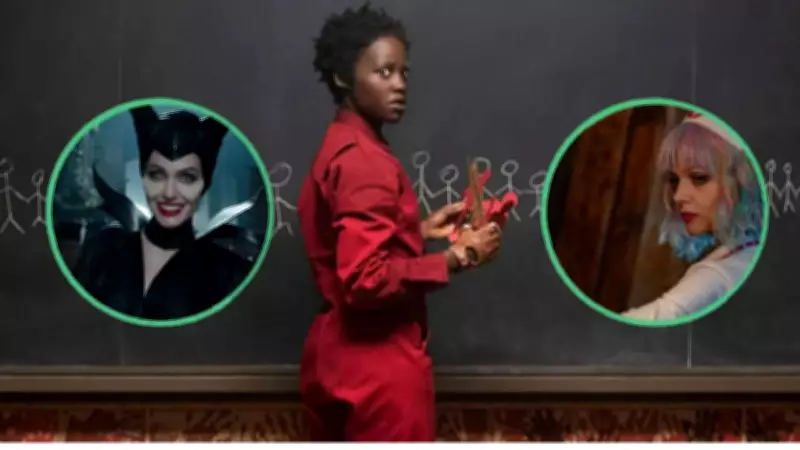
Angelina Jolie's portrayal of Maleficent in 'Maleficent' redefines the fairy as a guardian of the magical Moors, betrayed by her lover Stefan. Forced into a role of tough leadership to protect her people, her curse on Aurora stems from rage but is tempered by guilt and compassion. Ironically, it is Maleficent's kiss, not the prince's, that awakens Aurora, showcasing her underlying goodness and the complexity of her character as a villain with a heart.
Red in 'Us': A Voice for the Marginalized
In the 2019 horror film 'Us', Red leads 'The Tethered Group' as a morally ambiguous antagonist. Her actions are not born of malice but from prolonged injustice, representing society's marginalized sections. Through her, the film critiques inequality and privilege, using her character as a powerful social commentary. Red refuses victimhood, instead taking a stand against oppression, illustrating how filmmakers use villains to address real-world issues.
Cassie in 'Promising Young Woman': A Vigilante for Justice
Cassie Thomas, in 'Promising Young Woman', is a traumatized former medical student who becomes a vigilante after her best friend Nina's rape. Her mission targets predatory men, driven not by personal vengeance but by a desire to challenge patriarchal silence on women's safety. Beneath her cold exterior, Cassie shows moments of forgiveness and self-healing, highlighting her humanity amidst her quest for justice.
Katniss Everdeen in 'The Hunger Games': A Survivor Fighting Oppression
While not a traditional villain, Katniss Everdeen's actions in 'The Hunger Games' often place her in antagonistic roles against an oppressive system. Growing up in poverty, her decisions are fueled by survival and family responsibility, yet she displays compassion when needed. Forced to challenge the Capitol, she embodies resilience and vulnerability, showing how circumstances can push individuals into roles that defy simple categorization.
Conclusion: Redefining Villainy on Women's Day 2026
As we celebrate Women's Day 2026, these characters remind us that villainy is not always black and white. Female antagonists like Maleficent, Elphaba, Red, Cassie, and Katniss demonstrate that actions deemed 'bad' can stem from a place of justice, protection, and moral integrity. Their stories encourage a deeper understanding of character motivations, enriching cinematic narratives and reflecting broader societal themes.