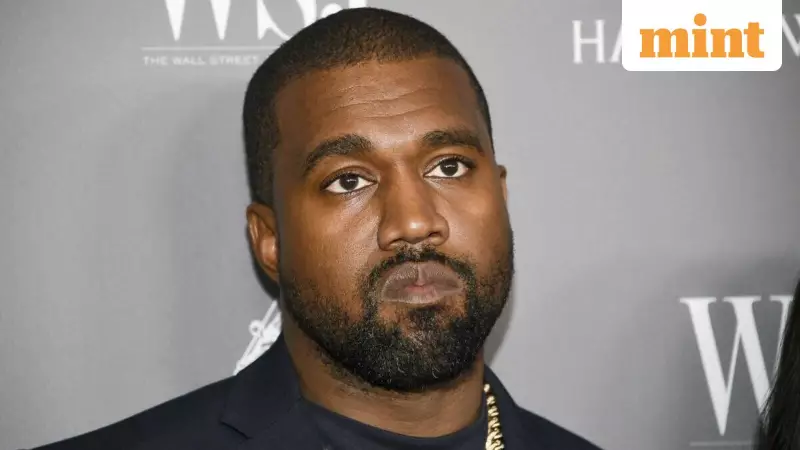
Ye Publishes Full-Page Apology in Wall Street Journal, Addresses Antisemitism Controversy
In a significant public gesture, Ye—the artist formerly known as Kanye West—has issued a comprehensive open letter of apology to the Jewish community, published as a full-page advertisement in The Wall Street Journal on January 26, 2026. This marks his second major apology in two years following previous remarks widely criticized as antisemitic, reigniting global discussion about accountability, mental health, and public influence.
Detailed Reflection on Past Behavior and Mental Health Struggles
The letter, captioned "To Those I've Hurt," begins with a direct apology where Ye acknowledges the profound impact of his words and actions. He writes, "My words as a leader in my community have global impact and influence. In my mania, I lost complete sight of that." This statement underscores his recognition of the far-reaching consequences of his public statements, particularly within entertainment and cultural spheres.
Ye elaborates on his personal journey, detailing ongoing efforts to stabilize his life through a structured regimen. He explains, "As I find my new baseline and new center through an effective regime of medication, therapy, exercise, and clean living, I have newfound, much-needed clarity." This reflection highlights the intersection of mental health management with public accountability, a topic increasingly relevant in celebrity discourse.

Denial of Antisemitic Beliefs and Broader Implications
Central to the letter is Ye's firm denial of holding antisemitic beliefs, despite past controversial remarks. He explicitly states that he is not an antisemite, aiming to clarify his intentions and separate his actions from prejudiced ideologies. This denial comes amid heightened scrutiny of hate speech in media and entertainment, prompting discussions about:
- The role of public figures in shaping social attitudes
- The effectiveness of public apologies in addressing harm
- The challenges of mental health transparency in high-pressure industries
The publication in The Wall Street Journal, a prominent financial and news outlet, amplifies the message's reach, suggesting a strategic move to engage a broader, more serious audience beyond entertainment circles. This approach contrasts with social media apologies, offering a more formal and permanent record of his stance.
Global Reaction and Context of Previous Apologies
This apology follows Ye's initial public apology to the Jewish community two years prior, indicating a prolonged effort to address the controversy. The timing and format—a full-page ad in a major newspaper—have drawn significant attention worldwide, sparking debates on:
- Whether such gestures lead to genuine reconciliation or are merely performative
- How mental health explanations intersect with accountability for harmful speech
- The evolving standards for celebrity behavior in an era of instant communication
As the story develops, it continues to resonate within Hollywood and global entertainment sectors, where issues of discrimination and personal responsibility remain at the forefront. Ye's case serves as a poignant example of the complexities faced by influential artists navigating public perception, personal struggles, and ethical obligations.