The Indian entertainment scene has been buzzing with two major debates in recent weeks. One revolves around the alleged high-handed behaviour and exorbitant fees of film stars. The other, more persistent conversation, focuses on the content and boundaries of stand-up comedy in the country.
The Backdrop: A Comedy Controversy Erupts
Several comedians have found themselves in hot water, issuing public apologies after their jokes or clips sparked widespread backlash for crossing lines of taste. A significant flashpoint was the controversy surrounding popular comedian Samay Raina and his YouTube show, which faced severe criticism for what numerous viewers labelled as excessively "vulgar" humour.
This incident opened the floodgates for opinions from across the industry. While a faction defended creative freedom and contemporary comedic styles, others expressed strong disapproval of the growing reliance on crude and abusive language in comedy routines.

Javed Akhtar's Spicy Analogy on Language
Leading the charge among critics is the legendary lyricist and screenwriter Javed Akhtar. The veteran writer, celebrated for timeless works like Sholay, Deewar, and Zanjeer, has been vocal about his views. He recently stated that the overuse of swear words often masks a fundamental lack of substance in content.
Speaking at an event, Akhtar elaborated with a vivid comparison. "If the conversation is bland, you will put some abusive language in it. Just to give it energy," he remarked. He further explained, "In Orissa, Bihar, and Mexico—anywhere in the world where there is poverty—people eat a lot of chilli because the food is bland. So just to get some taste, they eat chilli. Abusive language is the chilli of language. If you can speak good language and if you are witty enough, you don't need this chilli."
Zakir Khan's Nuanced Response at Express Adda
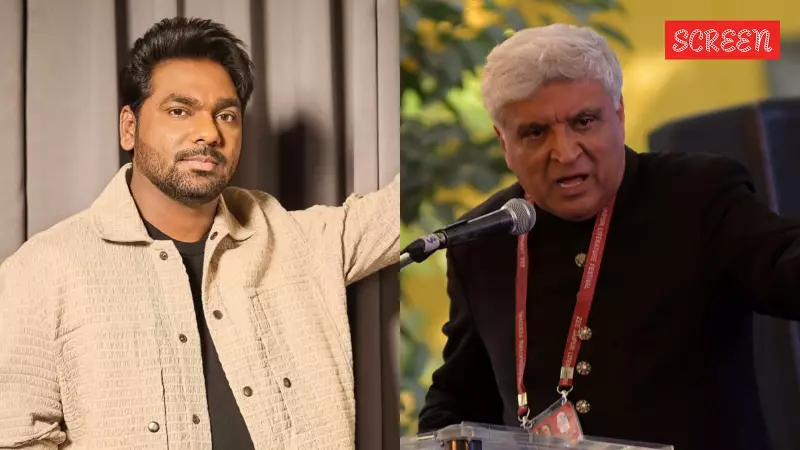
Now, one of India's most popular stand-up comedians, Zakir Khan, has weighed in on the debate. At the latest edition of Express Adda, hosted by The Indian Express on December 19, 2025, Khan shared his perspective on Akhtar's comments.
He began by expressing deep respect for the veteran writer. "I respect Javed Akhtar a lot. I love his work. As an artiste, we often admire other artistes who evolve with time. He reads a lot. For the kind of language and culture he represents as a writer, his comment on comedians is valid," stated Zakir Khan.
However, the comedian, known for his relatable and often clean humour, added a crucial caveat. He presented a more layered view, emphasising personal evolution over public censure. "But it doesn't mean people have to mandatorily apply it. If someone has cuss words in their language, you can't stop that. As people grow, they do learn and refrain from certain things. But you can't be pointing a finger at someone," he asserted.
This response highlights a central tension in the creative arts: the balance between upholding certain linguistic standards and allowing artistic expression to evolve organically, without direct condemnation.
Implications for Indian Comedy's Future
The exchange between a stalwart of classic Hindi cinema and a star of the new-age comedy circuit underscores a generational and philosophical divide. While Akhtar's critique comes from a place of valuing wit and refined language, Khan's rebuttal champions individual creative journeys and cautions against a culture of blame.
This dialogue, playing out in the public domain, is likely to influence how comedians, writers, and audiences think about the tools of humour. It pushes the community to reflect on whether shock value through language is a crutch or a legitimate stylistic choice, and where the line between creative liberty and social responsibility lies.
As the industry continues to grow, such conversations are essential for its maturation. The key takeaway from Zakir Khan's comments is the importance of context, personal growth, and a move away from finger-pointing towards more constructive, internal reflection within the comedy fraternity.