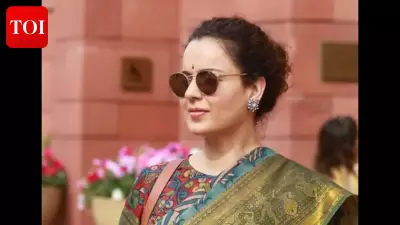
The tradition of 16 Shringar has long been associated with women, but is that its true purpose? In a thought-provoking conversation, Pratishtha challenges age-old beliefs and gender norms surrounding this practice. She delves into the deeper cultural and spiritual meaning behind Shringar, questioning why these traditions were created and who they were actually meant for.
Unpacking the 16 Shringar Tradition
The 16 Shringar, or sixteen adornments, are traditionally applied to a bride on her wedding day. However, Pratishtha argues that this practice has been misunderstood. She explores the possibility that Shringar was never intended exclusively for women but rather symbolises universal qualities such as beauty, devotion, and inner transformation.
The Spiritual Significance
According to Pratishtha, each adornment carries a spiritual meaning. For example, the bindi represents the third eye and wisdom, while the mangalsutra signifies protection and commitment. These elements are not merely decorative but are meant to remind individuals of their higher purpose.

Breaking Gender Stereotypes
Pratishtha emphasises that traditions like Shringar should be inclusive. She encourages viewers to rethink who can participate in such rituals, breaking free from rigid gender roles. The discussion highlights how ancient customs often have universal applications that modern society has forgotten.
Watch the full conversation to gain a fresh perspective on Indian culture and traditions. This eye-opening discussion will make you reconsider everything you thought you knew about Shringar and its place in contemporary life.