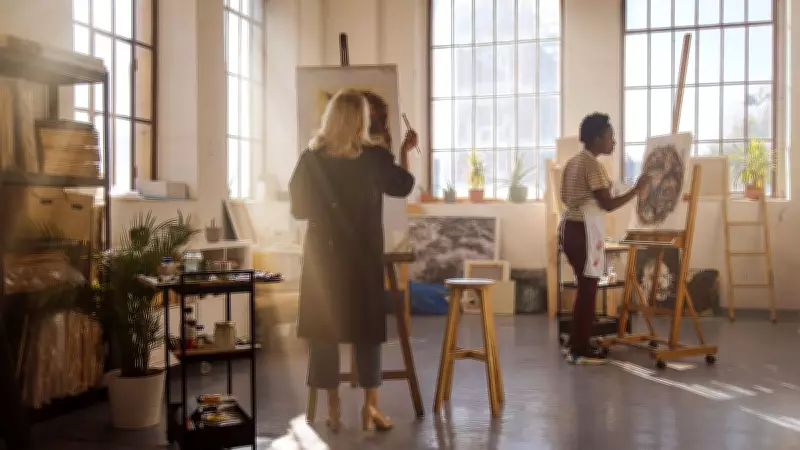
The Inner World Returns to the Studio
In a reflective piece, writer Sumana Roy delves into the cyclical journey of creativity, tracing how something intimately connected to the nerves of the inner self—both zeal and studying—has been pushed outward and then brought back into the studio. Roy likens this process to a coin in a piggy bank, banished only to be summoned for worldly duty.
Roy's meditation examines the shifting relationship between the inner creative impulse and its external manifestations. She notes that the studio, once a sanctuary for inward focus, had gradually become a space where outward pressures dominated. However, recent trends suggest a return to inner contemplation as the source of authentic expression.
The Piggy Bank Analogy
Roy uses the piggy bank metaphor to describe how creativity is saved and spent. The coin—representing inner zeal and study—is first saved inside, then taken out for worldly use, and eventually saved again. This cycle reflects the tension between preserving creative energy and deploying it in the public sphere.

According to Roy, this push-and-pull has shaped artistic practices over time. The studio, once a private realm, became a stage for external validation. Yet, artists are now reclaiming the inner space, recognizing that true creativity emerges from the depths of personal experience and study.
Reclaiming Inner Zeal
Roy argues that the contemporary artist's challenge is to balance inward reflection with outward engagement. She observes that the most compelling works often arise from a place of inner stillness, where zeal and study are not merely tools for worldly success but ends in themselves.
This perspective challenges the modern emphasis on productivity and visibility. Roy suggests that the studio should remain a home for the inner self, a place where the coin of creativity is both saved and spent with intention.