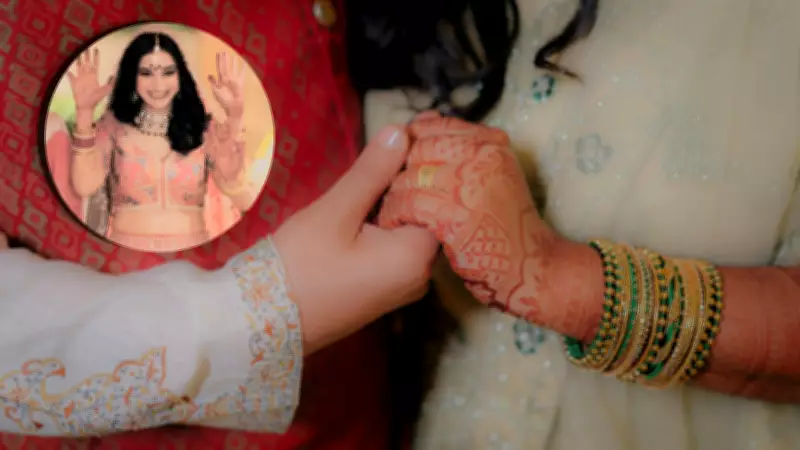
How One Woman’s Wedding Choices Are Inspiring Others to Rethink Traditions
Indian weddings are known for their grandeur, emotions, and deep-rooted traditions. However, they often come with a set of expectations that can be overwhelming, especially for the bride. From who pays for the wedding to which rituals must be performed, the bride’s preferences are frequently overlooked. One woman decided to change that narrative. Inayat Pawar, sharing her story on Instagram under the handle @ina.paw, detailed the choices she and her partner made to ensure their wedding reflected their values of equality. Her caption read: “Repeat after me, an equal marriage is a healthy marriage. Speak up and take a stand from day 1!” The post resonated with many online, sparking conversations about modernizing wedding traditions.
Skipping Kanyadaan and Vidaai
The most talked-about aspect of Pawar’s wedding was her decision to skip the rituals of Kanyadaan and Vidaai. She explained, “We instructed our pandit to keep the prayers non-patriarchal and skipped Vidaai and Kanyadaan. No parent should feel separated from their daughter.” These rituals, deeply emotional in Hindu weddings, have been criticized for symbolizing the giving away of a daughter. For Pawar, it was about choosing practices that aligned with her belief that marriage does not mean severing ties with her family.
Minimal Gifting to Reduce Pressure
Another unconventional choice was keeping gifting minimal. Pawar noted the unspoken pressure on the bride’s family to give elaborate gifts. By deciding to keep things simple, they eliminated a significant source of stress. “We kept the gifting very minimal. There's often an unspoken pressure around gifting on the bride's side,” she shared.

Living Independently After Marriage
The couple also had an early conversation about living independently after marriage. “We decided to live independently after marriage. This was an important conversation for us. We felt living separately, but close by, would help us build our own space while maintaining a healthy relationship with family,” Pawar said. This decision allowed them to create their own identity as a couple while staying connected to their families.
Intimate Pre-Wedding Functions at Home
Instead of booking banquet halls for every function, the couple celebrated haldi, mehendi, and engagement at home. Pawar explained, “I genuinely enjoy these functions, but when we looked at the cost of each 'event,' it felt like a lot for us personally.” The celebrations were smaller, more personal, and significantly less expensive.
A Message of Equality
Pawar emphasized that her choices were not about rejecting traditions but about questioning them. “It's okay to question things that don't feel right. Just because some rituals exist doesn't mean they're justified,” she said. She also had a message for men: “In many relationships, things feel equal while dating, but weddings can bring out imbalances. Speak up where it matters so both of you feel equally respected from the very beginning.” Her story serves as a reminder that while a wedding is one day, a marriage lasts a lifetime, and starting it on equal footing is crucial.