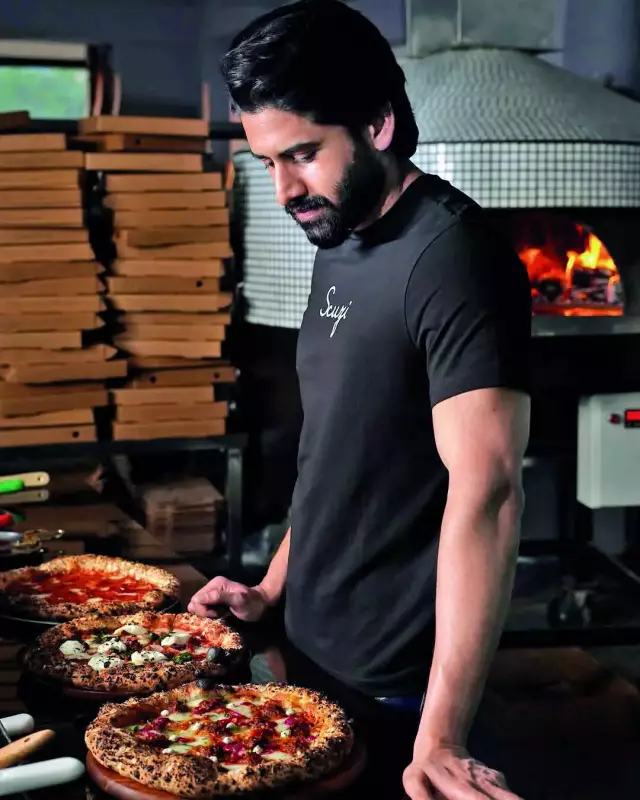
The landscape of celebrity-owned dining in India has undergone a profound transformation. What was once a novelty or a mere extension of personal brand has matured into a calculated, strategic investment. A new generation of celebrity entrepreneurs, including actor Shilpa Shetty, Telugu film star Naga Chaitanya, and cricketer Virat Kohli, are leading this charge, viewing the hospitality sector as a legitimate, long-term business venture.
The New Blueprint for Celebrity Dining Ventures
Gone are the days when a famous name alone could guarantee a restaurant's success. Today's celebrity-backed establishments are sophisticated enterprises, often rooted in the owner's personal values such as fitness, sustainability, or global lifestyle exposure. They are spread across major Indian metros like Bengaluru, Mumbai, and Hyderabad, combining star power with professional kitchen operations, experienced chefs, and solid business models to create curated dining experiences.
Shilpa Shetty's Bastian in Bengaluru is a prime example of this evolved approach. The restaurant is celebrated for its seafood-centric gourmet menu, which highlights marine produce with refined culinary techniques. Its interior design strikes a balance between opulence and restraint, featuring elements like chandeliers, rich woodwork, and artistic installations. Under the guidance of Chef Amol, the establishment prioritizes consistent flavor and quality over fleeting culinary fads.

Virat Kohli's One8 Commune has successfully scaled this model, operating 12 outlets nationwide. The Bengaluru location, which offers views of Cubbon Park, has cultivated a dedicated clientele through its seasonal menus, selective beverage offerings, cheese pairings, and creative cocktails. The consistent crowd is a testament not just to Kohli's fanbase but to repeat customers who return for the experience.
Diversifying the Celebrity Restaurant Model
Not all stars are taking the traditional brick-and-mortar route. Naga Chaitanya chose the cloud kitchen model with Shoyu, a premium Pan-Asian delivery service. After finding success in Hyderabad, he launched it in Bengaluru, targeting affluent diners looking for eclectic flavors. Shoyu emphasizes meticulous detail, from sustainable packaging to a menu featuring items like truffle-oil pizzettes, sushi, and dim sums.
However, the path is not without its pitfalls. The market is fiercely competitive, and fame is no shield against failure. The association of Kannada actor Pranitha Subhash with now-closed venues, such as Bootlegger on Lavelle Road in Bengaluru, underscores the real risks involved. As a senior hospitality consultant notes, "A celebrity can get people through the door once. Repeat business depends entirely on food quality, service, and consistency."
The Business Reality Behind the Glamour
The operational backbone of these modern celebrity restaurants relies heavily on professional partnerships. While the star provides the brand identity and initial draw, seasoned hospitality teams manage day-to-day operations. In discerning markets like Bengaluru, longevity is earned through clearly defined culinary concepts, talented chefs, operational consistency, and an immersive dining experience where atmosphere and storytelling often outweigh mere lavishness.
The sector has become intensely crowded, raising the stakes for everyone. Even well-funded gourmet concepts can struggle if they misread local tastes. Consequently, serious players are investing beyond the glitz, focusing on areas like chef training, robust supply chains, and actively incorporating customer feedback.
The ultimate measure of success for a celebrity restaurant is when it transcends its owner's fame. Food experts point out that these ventures truly work "when diners forget who owns the place—and remember how the food made them feel." The winning formula offers more than a chance to spot a star; it offers a memorable meal and a compelling experience. For celebrities, restaurants have become strategic brand extensions that reflect their values, offer visibility, and hold significant long-term business potential, provided they are built on a foundation of substance, not just stardom.