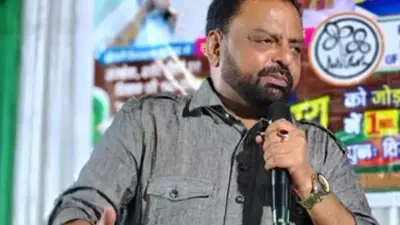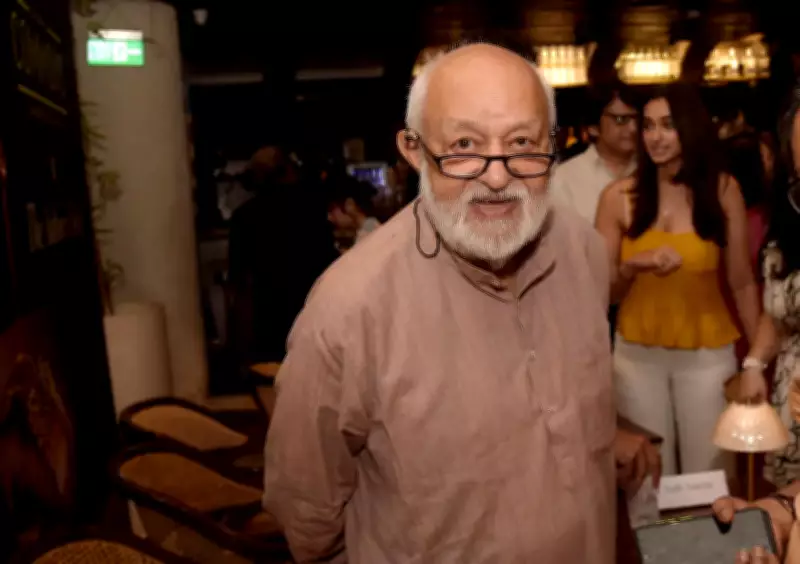
Chroniclers of food cultures gathered for Kitchen Kronicles, an evening curated by Sunayana Chhibba’s The Author’s Deck in collaboration with DLF’s Chef Table Series. The panel featured food historian Pushpesh Pant as the chief guest, author Rohini Rana, chef Michael Swamy and visual storyteller Yash Saxena. United by their love for food and books, they discussed the evolving landscape of food writing.
Exploring Food Memories and Cultural Heritage
The conversation opened with reflections on documenting food memories and preserving culinary traditions for future generations. Yash Saxena, author of Stories From A Kargili Kitchen, conceived his book as a repository for coming Kargili generations to look back at. He said, “Food is a great tool for storytelling. The journey in Kargil revealed a relationship between land, cuisine and culture. Today, there are many ways to travel for food. Wherever you go, whether to Kalimpong or Goa, you can easily find lists of what to eat and where to eat. But travelling to discover is a very different feeling because the traveler may know some things and discover the rest along the way.”
Sunayana Chhibba, curator of the evening, added, “I wanted to create a different platform for readers and make it fun — an interactive, casual space where authors can engage with audiences intimately and inspire them to read.”

Heritage on a Platter
Rohini Rana, author of Memories on a Platter, shared her personal connection to food. “Coming from a family in India known for its cuisine (the royal family of Awagarh, Uttar Pradesh) and then marrying into the Rana family in Nepal, which is equally known for its food culture, food has never left me,” she said. Speaking about documenting food heritage, she observed, “Recipes are memory and recipes are culture. If you want to look back at the history of your family, your culture or where you came from, recipes become a conduit of your heritage. Nothing explains cultural heritage better than a platter in front of you.”
Food Writing Beyond Recipes
The panel also reflected on how food writing today extends beyond recipes to encompass culture, identity and lived experiences. Food historian Pushpesh Pant, who has written over 50 books on food cultures, noted how food writing itself has evolved over the years. “Food writing has certainly ceased to be only writing about food. It is a bit of travel, sociology, commentary, seasonality, tradition and culture. In some cases, it is also about gender, politics and prohibition. Food writing today is far more layered, which also makes it more difficult,” he said.
Pant emphasized the importance of preserving heritage: “If you remember your heritage, you don’t let it disappear. If a recipe is lost, a part of you is lost. As long as memory remains, a part of who you are will survive.”
The Emotional Value of Cookbooks
Chef Michael Swamy, who has authored several cookbooks, reflected on the emotional value of cookbooks. “There’s something deeply personal about a cookery book. It is never just about recipes. It is about the journeys that led to them — the places, the people, the conversations and the quiet moments of discovery along the way,” he said.
Returning to Traditional Cooking
Michael also spoke about the need to return to traditional cooking practices. “Let’s go back to the traditional way of cooking, to the way food was made earlier, because chefs are responsible for the health of their guests. We can go to a Gordon Ramsay restaurant, but we won't have the guts to tell him what to cook. But we'll go to our Indian restaurant and try to control our chefs. Chefs must put their foot down and say, ‘Let us go back to our roots and let us give you great food’,” he said.