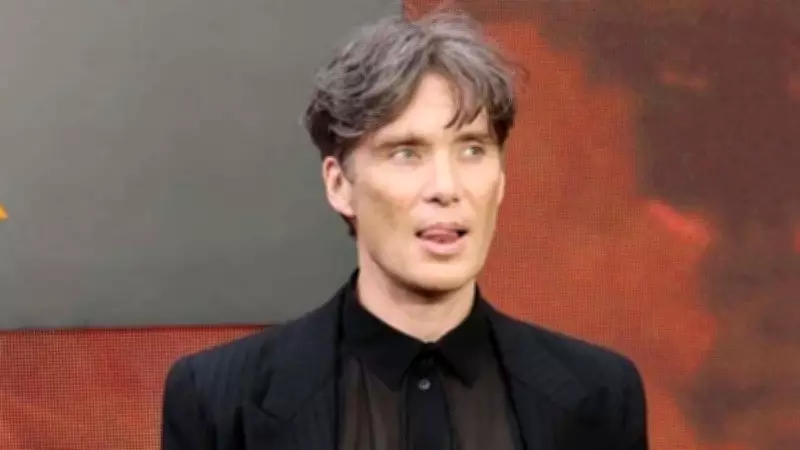
Cillian Murphy does not conform to expectations. The Academy Award winner, renowned for portraying Tommy Shelby and J. Robert Oppenheimer, has spent two decades cultivating one of modern cinema's most respected bodies of work. He operates on his own terms, always infusing authenticity into his performances.
Hailing from Cork, Ireland, Murphy avoids silence fillers, safe answers, and pleasing others. He once delivered a statement that cuts through the clutter of typical interviews.
Quote of the Day by Cillian Murphy
"Believe your instincts. Instinct, instinct, instinct over intellect. Always instinct. Just because you can rationalise it doesn't mean it's right. If you feel it, then it's right."

During a SAG-AFTRA Foundation Conversations podcast on February 2, 2024, Murphy was asked what advice he would give his 21-year-old self. After a thoughtful pause, he responded, "I don't know, I would have said just persevere and actually believe your instincts. Instinct, instinct, instinct over intellect. Always instinct. Just because you can rationalise it doesn't mean it's right. If you feel it then it's right. That's what I really strongly believe so I would have told my 21-year-old self that."
His words were unscripted and unpolished, reflecting genuine introspection. He abandoned a law degree to pursue acting, and every major career decision bears the mark of instinct. Each choice paid off handsomely.
What Does the Quote by Cillian Murphy Actually Mean?
Many people experience the dilemma where intuition points one way but logic suggests another. Opportunities that seem perfect on paper often feel wrong internally. People override their feelings, opt for sensible choices, and later wonder why something rational never felt right.
Murphy suggests that feelings are not unreliable; rationalisation is. Instinct arrives before argument and holds true knowledge. His decision to leave law for acting stemmed from an internal signal. Every subsequent role reflects that same trust.
This philosophy resonates beyond acting. It applies to scientists with hunches unsupported by data, entrepreneurs backing risky ideas, and individuals leaving comfort zones. Instinct is not recklessness but the accumulated wisdom of absorbed, processed, and understood experiences before conscious thought catches up. Murphy has listened to this throughout his career.
Cillian Murphy's Best On-Screen Performances
Murphy's role choices exemplify picking what feels right over what looks safe. In 28 Days Later, he portrayed a man awakening to a collapsed world, displaying raw vulnerability that set him apart. In Batman Begins, he transformed Scarecrow into a deeply unsettling villain, elevating a potential paycheck role. Then came Tommy Shelby in Peaky Blinders, a six-series performance so sustained, layered, and controlled that it became a defining television role. He rarely raised his voice, yet every scene shifted around him—a testament to presence rather than technique.
Finally, Oppenheimer showcased Christopher Nolan's most ambitious film resting on Murphy's shoulders. His portrayal of J. Robert Oppenheimer earned him the Academy Award for Best Actor in 2024. Critics sought new language to describe his performance, which carried an era's weight through stillness, restraint, and unshown emotion. Every choice was instinctive and correct.
Who Is Cillian Murphy?
Born in Douglas, Cork, in 1976, Murphy studied law at University College Cork before abandoning it for acting—a decision that became a landmark instinct-led choice. According to IMDb, he gained international recognition with 28 Days Later in 2002, followed by roles in Batman Begins, The Wind That Shakes the Barley, Inception, and Peaky Blinders, which made him a globally recognised television star.
In 2024, he won the Academy Award for Best Actor for Oppenheimer, cementing his place among the finest actors of his generation. He left law because something told him to, and he has trusted that voice ever since. His body of work speaks for itself.