Diljit Dosanjh Speaks Out on Satluj Removal
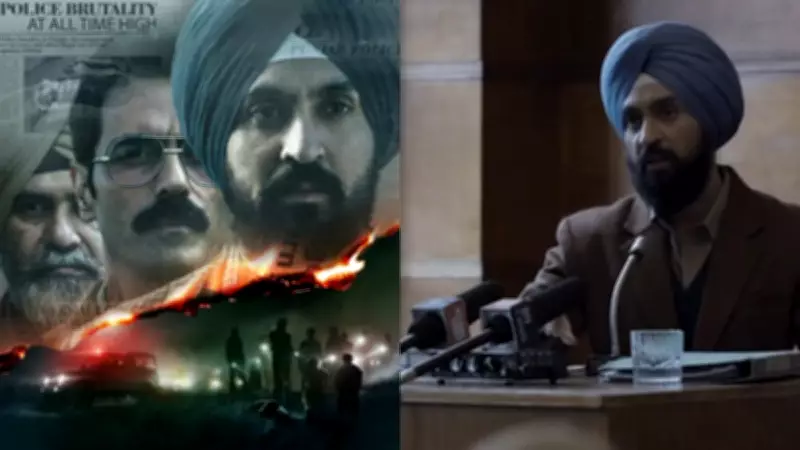
Punjabi superstar Diljit Dosanjh has finally reacted to the sudden removal of his film Satluj from the streaming platform ZEE5 India. In a strongly worded statement, the actor-singer said he would "challenge the darkness" and stand against what he perceives as censorship. The film, which was released on ZEE5 on July 1, 2026, was taken down just days later, sparking widespread speculation and outrage among fans.
Details of the Removal
ZEE5 India removed Satluj from its library on July 5, 2026, without any prior notice or official explanation. The film, directed by Navneet Virk, had been streaming for only four days before it vanished. Reports suggest that the removal may be linked to complaints from certain groups over the film's depiction of historical and religious themes, though ZEE5 has not confirmed this. The development has ignited a debate on digital censorship in India.
Diljit's Statement
In a video message posted on his social media accounts, Diljit Dosanjh said, "I stand with my film Satluj and its team. The removal is an attack on creative freedom. I challenge the darkness that tries to suppress art. We will not stay silent." He further urged his fans to demand transparency from streaming platforms. The actor also thanked ZEE5 for initially releasing the film but expressed disappointment over its sudden removal.

Fan Reactions and Industry Support
Fans have launched a social media campaign under the hashtag #ReleaseSatluj, trending on Twitter with over 500,000 tweets within hours. Many Bollywood and Punjabi film personalities have extended support to Dosanjh. Filmmaker Anurag Kashyap tweeted, "Solidarity with Diljit. Censorship has no place in a democracy." The controversy has also drawn attention to similar removals of other films from OTT platforms in recent months.
Impact on Streaming Policies
The incident highlights the growing tension between creative expression and content regulation in India's digital space. According to industry experts, such removals could set a precedent for self-censorship by platforms. A senior analyst at Media Partners Asia noted, "OTT platforms are increasingly cautious to avoid legal battles, but this can stifle diverse storytelling." The case of Satluj may prompt calls for clearer guidelines on content removal.