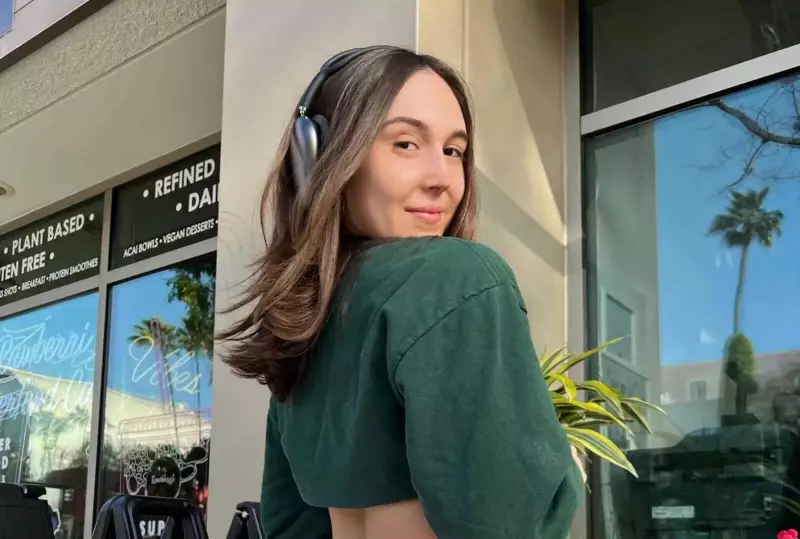
The media storm surrounding the sexual assault lawsuit against former NFL star and TV personality Shannon Sharpe has cast a wide net, pulling figures from his orbit into an intense and often unforgiving spotlight. One such individual is Gabriella Zuniga, an influencer and content creator who has found herself at the centre of public speculation and judgment. Notably, the criticism aimed at Zuniga appears less about any direct statements she has made regarding the case and more about her profession as an adult content creator.
The Unfair Scrutiny of Gabriella Zuniga
While Gabriella Zuniga has not publicly accused Shannon Sharpe nor claimed a direct connection to the ongoing legal proceedings, her past associations or rumoured interactions with him have been enough to ignite widespread scrutiny. The key issue emerging from this coverage is a troubling pattern: is her perspective being evaluated on its own merits, or is it being automatically discredited due to her career choice? This phenomenon is not new. Women in the adult entertainment industry frequently face dismissal, especially in serious conversations about topics like sexual misconduct.
In the context of the Shannon Sharpe lawsuit, both the public and segments of the media have been quick to invalidate Zuniga's potential commentary or her very presence in the narrative. The underlying assumption seems to be that her profession on platforms like OnlyFans somehow renders her voice less credible or her experience less valid. This reflexive response reveals a deep-seated societal bias that conflates a person's work with their integrity and capacity for serious discourse.

When Headlines Focus on Identity Over Narrative
The media framing of Gabriella Zuniga often prioritises her body of work over her actual words. Whether she is defending herself, commenting on the evolving case, or simply existing in the periphery of the news cycle, she is routinely portrayed as a "distraction" rather than as an individual with agency and a legitimate viewpoint. This kind of reporting reinforces dangerous stereotypes that systematically discredit women who operate outside conventional societal roles.
For Zuniga, this translates into the harmful and pervasive belief that OnlyFans creators cannot be credible, empathetic, or capable of engaging in meaningful conversation about grave matters. It creates a paradox where she is thrust into the headlines for her association with a serious legal case, yet her potential contributions to the discussion are preemptively undermined by the very coverage that mentions her.
Separating Fact from Bias in Media Coverage
As the Shannon Sharpe sexual assault lawsuit continues to develop, it is crucial for consumers of news to consciously separate factual information from ingrained prejudice. The treatment of Gabriella Zuniga serves as a stark case study in how public bias can shape a narrative. Like anyone else, she deserves to be judged based on her specific actions and statements, not on preconceived notions about her platform or profession.
In today's media landscape, where sensational perception often overpowers nuanced reality, we must critically examine our own consumption. The essential question is: Are we truly listening to what Gabriella Zuniga has to say, or are we merely watching her through a lens clouded by stigma? Until we can honestly confront this bias, the media and the public remain complicit in perpetuating a system that silences voices based on their source, not their substance.