Indian traditional wear encompasses far more than just sarees and kurtas. It is rooted in centuries-old craftsmanship, stunning silhouettes, and artistic vision that create breathtaking and heavenly attire. A recent viral video on the internet has reignited a debate about how Indian fashion is represented overseas, with critics arguing that Western culture often limits Indian traditional wear to brightly colored kurtas with flimsy silhouettes.
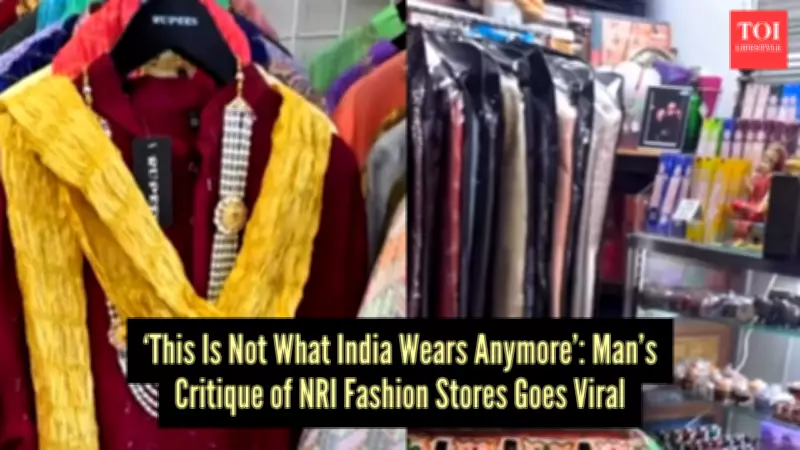
The video, shared on Instagram on June 10 by foreign-based creator Mohit Dantre, quickly went viral. It shows a store selling Indian clothing in New York City, featuring kurtas in tacky bright shades made from low-quality material. Dantre expressed his frustration, stating, 'People always accuse NRIs of wearing tacky Indian clothes. That's an allegation we've always faced. But I have a new allegation: NRIs are also selling very tacky Indian clothes across the world.'
In the video, Dantre reviewed the outfits and was visibly unimpressed. He looked at a bright red and yellow kurta set and questioned, 'What kind of combination is this?' He continued, 'I mean, oh my God. You know those Patel sisters from Harry Potter and The Office? When Indian characters appear in Hollywood productions, they wear tacky, ugly Indian clothes. Bad color combinations, poor-quality fabric, and excessive glitter and bling. What is this, seriously?'

Dantre's strongest criticism was directed at the store owners. 'My issue is with the NRIs who own these stores. I don't want to send them any hate, but what exactly are you people selling? At least put in some effort. Even small shops in small Indian towns pay attention to fit and use good fabrics.'
He argued that Indian fashion is much more than loud colors and heavy embellishments. 'Of course, we love colors. But there is a balance and harmony to them. Here they just throw blue and yellow together. And then add an unattractive stole on top of it. What is this? You're damaging your own reputation and misrepresenting Indian fashion.'
The controversy has sparked a larger conversation about how Indian fashion is represented abroad and whether NRI retailers are preserving tradition or perpetuating stereotypes created decades ago by Western markets.