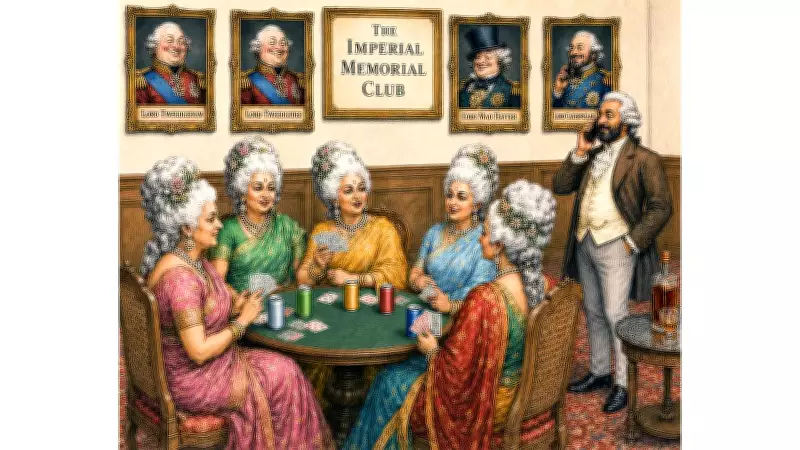
When deep pockets vie for membership of Gymkhana Club, the one that the government wants evicted from 27 acres of Lutyens’ Delhi, what exactly are they buying into? Rumour has it, the club’s membership entails a wait of 30-40 years. Someone who applied in the middle of Manmohan Singh’s first Budget speech in July 1991 might still be in the queue. That is half a lifetime. Plus, the price of a premium SUV. So, what gives Gymkhana and other elite clubs, vestiges of the Raj, their cachet?
The Allure of Colonial-Era Clubs
It cannot be Samuel Johnson’s idea of a club. The good doctor, father of the modern dictionary – reason to pay attention to his definition – described a club as, “An assembly of good fellows meeting under certain conditions”. That could be a college staffroom. The club he founded – called The Club – nine years later, in 1764, was just a venue for weekly dinner and discussion. And in that, it pretty much followed the template of other famous clubs of the past century.
What Makes Gymkhana Club So Exclusive?
The Gymkhana Club, like other elite clubs in Delhi, is a vestige of the British Raj. Its exclusivity is driven by a combination of historical prestige, prime location, and stringent membership criteria. The waitlist, which can stretch decades, adds to the mystique. For many, membership is a status symbol, a marker of social standing that money alone cannot buy. The club offers a network of influential members, from politicians to business tycoons, and a sense of belonging to an exclusive community.

The Government's Eviction Notice
The government’s push to evict the Gymkhana Club from its 27-acre plot in Lutyens’ Delhi has sparked debate. The land is prime real estate, and the government argues it should be used for public benefit. However, the club’s members and supporters see it as an attack on heritage and tradition. The outcome of this dispute could set a precedent for other colonial-era clubs in the city.
Conclusion
As the battle over the Gymkhana Club’s land continues, the allure of these elite institutions remains undiminished. For those willing to wait decades and pay a premium, membership offers more than just amenities – it offers a piece of history and a ticket into a rarefied social circle. Whether the club survives or not, its legacy as a symbol of exclusivity in India’s capital is secure.