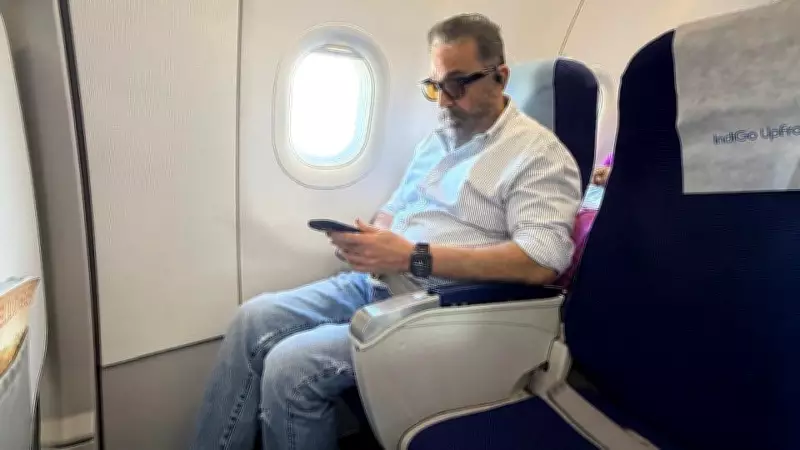
Actor and politician Kamal Haasan recently made headlines by choosing an economy class flight over a private charter, aligning with Prime Minister Narendra Modi's recent call for austerity. The decision has been widely discussed on social media, with many praising the veteran star for setting an example of fiscal responsibility.
Background of the Austerity Call
Prime Minister Modi, during a recent address, urged citizens and leaders to adopt a simpler lifestyle and avoid unnecessary extravagance. He emphasized the need for collective efforts to boost the economy and reduce unnecessary expenditures. Haasan's move is seen as a direct response to this appeal.
Details of the Journey
Kamal Haasan was spotted at the Chennai airport boarding an economy class seat on a commercial flight. Sources close to the actor confirmed that he had deliberately canceled his private charter booking to travel economically. The actor was traveling to Delhi for a series of political meetings and film-related work.

This is not the first time Haasan has made a gesture of frugality. In the past, he has spoken about the importance of responsible spending and has often been seen using public transport or economy class travel.
Public and Political Reactions
The move has drawn mixed reactions. Supporters have lauded Haasan for his humility and for walking the talk on austerity. Critics, however, argue that such symbolic gestures do little to address systemic economic issues. Political rivals have also commented, with some accusing Haasan of grandstanding.
Impact on Public Perception
Analysts believe that Haasan's action could influence other celebrities and politicians to follow suit. In a time when economic challenges are prevalent, such moves can help foster a culture of savings and responsible spending. However, they also caution that sustainable change requires policy-level interventions.
Conclusion
Kamal Haasan's decision to fly economy is a notable step in promoting austerity. While it may be a small gesture, it carries significant symbolic weight in encouraging a shift towards mindful consumption. As the nation grapples with economic pressures, such examples could inspire a broader cultural change.