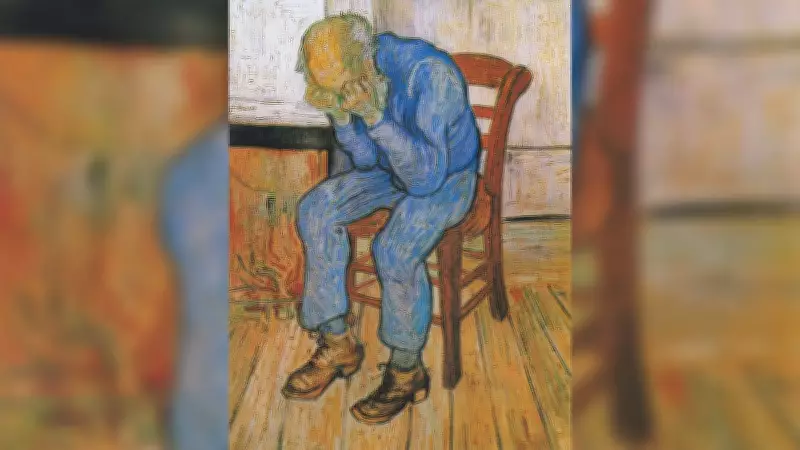
The Artistic Depiction of Loneliness Through the Ages
Loneliness has long been a subject of contemplation not only in medicine and psychology but also in the visual arts. Across centuries, artists have captured the essence of solitude, creating works that resonate with viewers on a deeply personal level. From the quiet melancholy of figures in Renaissance paintings to the stark isolation in modern art, these depictions offer a window into the human condition.
Renaissance and Baroque: Solitude in Religious and Mythological Contexts
In the Renaissance, artists often placed solitary figures in vast landscapes or intimate interiors to convey spiritual or emotional isolation. For instance, Albrecht Dürer's engraving Melencolia I (1514) presents a brooding figure surrounded by unused tools, symbolizing the creative paralysis and solitude of the intellectual. Similarly, Caravaggio's use of dramatic chiaroscuro in works like The Calling of Saint Matthew isolates his subjects in pools of light, emphasizing their individual moments of divine encounter.
Romanticism and the Sublime: The Individual Against Nature
The Romantic era elevated solitude to a sublime experience. Caspar David Friedrich's iconic painting Wanderer above the Sea of Fog (1818) shows a lone figure gazing over a misty landscape, embodying both the awe and isolation of the individual confronting nature's vastness. This theme of solitary contemplation continued in works like The Sea of Ice (1823-1824), where a shipwrecked vessel lies abandoned amid ice floes, underscoring human vulnerability.

Modern and Contemporary Art: Urban Isolation and Emotional Distance
With the rise of urban life, artists began exploring loneliness in crowded cities. Edward Hopper's Nighthawks (1942) is a quintessential example: a diner lit against the dark street, with figures seated apart, each lost in their own thoughts. Hopper once said, "Maybe I am not very human—what I wanted to do was to paint sunlight on the side of a house." Yet his works powerfully convey the alienation of modern existence. In contemporary art, figures like Louise Bourgeois used sculpture to explore emotional solitude, as seen in her series Cells, which encloses personal objects in cage-like structures.
Non-Western Traditions: Solitude in Eastern Art
Loneliness is not exclusive to Western art. In Chinese landscape painting, solitary figures often appear in vast mountain scenes, representing the Daoist ideal of harmony with nature. The Song Dynasty painter Ma Yuan's Walking on a Mountain Path in Spring shows a lone traveler amidst misty peaks, evoking a sense of peaceful solitude. Similarly, Japanese ukiyo-e prints, such as those by Hokusai, frequently depict isolated figures in boats or on bridges, emphasizing the transient nature of life.
The Universal Appeal of Solitude in Art
Art historian Dr. Sarah Miller notes, "Artists have always been attuned to the nuances of human emotion, and loneliness is a universal experience that transcends time and culture." These works continue to resonate because they reflect the duality of solitude—both a source of pain and a space for introspection. Whether through the melancholic gaze of a Renaissance saint or the quiet emptiness of a Hopper diner, art invites us to confront our own feelings of isolation.
In an increasingly connected yet often lonely world, these timeless works remind us that solitude has always been part of the human story. They offer not just a mirror to our own experiences but also a connection to those who came before us, finding beauty in the quiet moments of being alone.