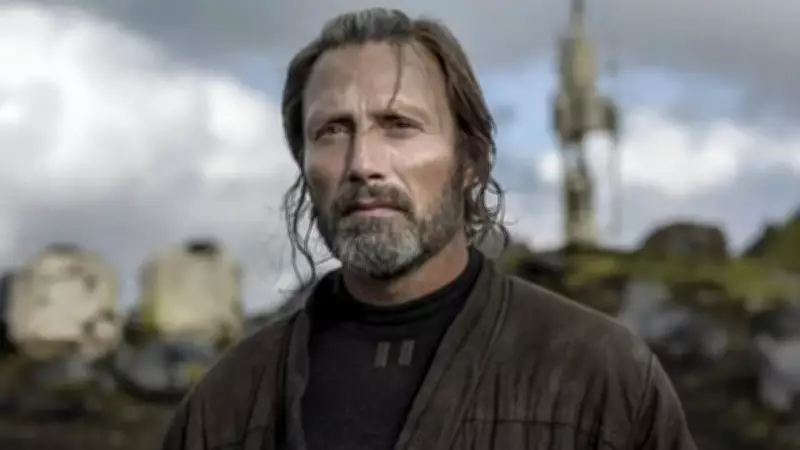
Mads Mikkelsen did not become one of Hollywood's most brilliant actors overnight; he earned his place through relentless dedication. A key factor in shaping his characters is his understanding of the philosophy of yin-yang—embracing the trace of light in darkness and a hint of darkness in light. In a world often perceived as black and white, Mikkelsen reveals unexpected colors that others may overlook. He embraces imperfections, complex emotions, haunting pasts, and relatable qualities, making his characters profoundly human.
The Actor's Approach to Morality
The Danish actor has consistently chosen roles that challenge audiences to question human intentions and lasting impressions. From portraying a villain in the Bond film Casino Royale to the cannibalistic psychiatrist in Hannibal, Mikkelsen constantly pushes boundaries. His philosophy is encapsulated in a quote that sums up his view of human behavior: "I always try to find something I like about the bad guys and then try to find the mistakes and the flaws in the good guys."
In a 2013 interview with British GQ, Mikkelsen empathetically discussed how he approaches his roles. When playing a villain, he never does so without reason. The 60-year-old actor seeks the light behind soulless eyes to understand the character's psychological motivations. Conversely, the "good guys" are not perfect; they have flaws, weaknesses, or an ultimatum they cannot refuse.

Meaning Behind the Quote
A world full of potential and a constructed life cycle cannot be purely black and white. Some shades highlight personality, while others remain invisible even with effort. Rather than drawing moral compass graphs, Mikkelsen expresses that not every character should fit into a convenient category. The most despised individuals have admirable qualities, and the most loved ones have blind spots leading to impulsive decisions. Instead of labeling someone as evil, Mikkelsen questions why they think the way they do. An all-good persona can seem unrealistic or distant. Humans have flaws, and that fosters connection. A hero with doubt or complex emotions is praised for being relatable, while villains with a soft heart gain a special fanbase. By raising empathy and self-awareness, the actor recognizes that nobody is simply perfect.
About Mads Mikkelsen
Born on November 22, 1965, in Copenhagen, Mads Dittmann Mikkelsen gained fame in Denmark after his debut role in Pusher. Admitted to the Århus Theatre School, he starred in various Danish films and series, including The Green Butchers, Unit One, Adam's Apples, and many more before making his way to Hollywood. He received the Best Actor Award at the Cannes Film Festival for his role in The Hunt (2012) and was nominated for an Academy Award in 2006 for his lead role in After the Wedding. From starring in Doctor Strange to Indiana Jones and the Dial of Destiny, he has gained worldwide recognition and continues to shape culture through his art.