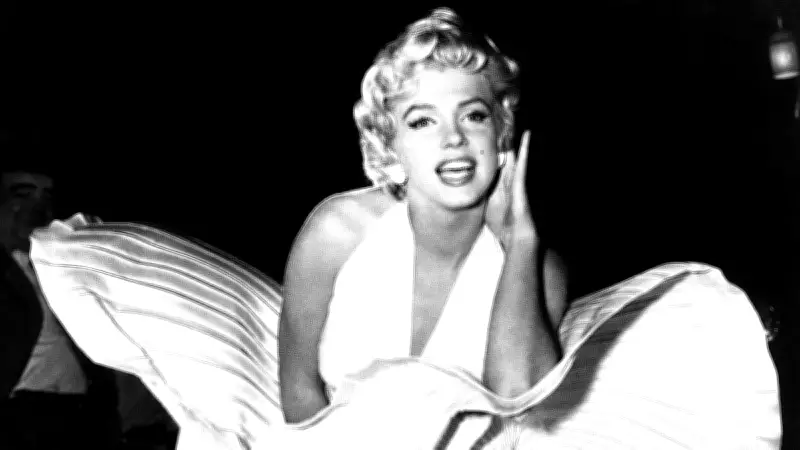
Marilyn Monroe Centenary: The Woman Who Never Left
More than a movie star, Marilyn Monroe became an idea, endlessly reproduced and debated, her face familiar even to those who have never seen her films. As the world marks her centenary, we delve into what keeps her legacy alive.
Born Norma Jeane Mortenson on June 1, 1926, Monroe rose from a troubled childhood to become one of the most iconic figures in Hollywood history. Her journey from orphanages and foster homes to the silver screen is a story of resilience and ambition. She starred in classics like Some Like It Hot, The Seven Year Itch, and Gentlemen Prefer Blondes, cementing her status as a sex symbol and a talented comedic actress.
Yet, Monroe was more than her on-screen persona. She was a woman of depth, intelligence, and vulnerability. She fought against the studio system, challenged gender norms, and sought respect as a serious actress. Her untimely death at age 36 only added to her mystique, turning her into a tragic figure whose life and death have been endlessly analyzed.

The Enduring Fascination
Why does Monroe continue to captivate us? According to cultural historian Rashmi Vasudeva, Monroe represents a paradox: she is both the ultimate object of desire and a symbol of liberation. Her image has been used in art, advertising, and fashion, from Andy Warhol's silk screens to modern brands. She remains a reference point for beauty, glamour, and tragedy.
- Cultural Icon: Her image is ubiquitous, appearing on merchandise, in music videos, and in films.
- Feminist Symbol: Modern reinterpretations often highlight her struggles with patriarchy and her fight for autonomy.
- Mystery: The circumstances of her death and her personal life continue to fuel conspiracy theories and biographies.
A Legacy That Lives On
As the centenary of her birth approaches, events and retrospectives are planned worldwide. Film festivals will screen her movies, museums will showcase her costumes, and scholars will debate her impact. Monroe's estate continues to manage her brand, ensuring her image remains fresh for new generations.
In a world of fleeting fame, Monroe's enduring appeal reminds us of the power of myth. She is the woman who never left, forever young, forever captivating. As Vasudeva notes, "She is not just a star; she is a story we keep telling ourselves about beauty, fame, and the price of both."