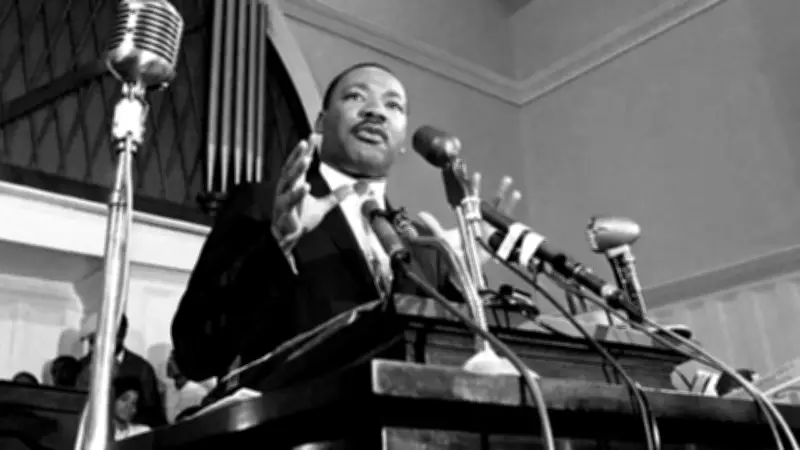
Some quotes resonate immediately, while others reveal their depth over time. Martin Luther King Jr.'s observation on peace and justice quietly challenges a widely accepted notion.
Rethinking Peace
Most people define peace as the absence of conflict. Calm streets, no arguments, and no visible trouble suggest a peaceful state. This definition feels natural, but reality is often more complex. A school may appear orderly while some students feel excluded. A workplace may run smoothly while employees suppress concerns. A town may look calm while certain groups experience unfairness. The gap between appearance and reality is central to King's message.
The Core of the Quote
King stated: "True peace is not merely the absence of tension; it is the presence of justice." This draws a line between two often-confused ideas. The absence of tension does not guarantee fairness. People may stop complaining because they are tired or discouraged, not because problems are resolved. Silence can mask frustration. King shifts focus from visible calm to underlying fairness. A society can appear stable while some feel left behind. Quiet situations are not always fair.

Personal and Societal Parallels
Most people experience smaller versions of this. A disagreement between friends may be ignored rather than resolved. The friendship continues without argument, but something remains unresolved. Months later, the issue resurfaces. Organizations and societies behave similarly. Difficult topics are avoided to maintain calm, but calmness and resolution are not identical. Hidden problems still shape lives and decisions.
King's Experience
King spoke from the civil rights movement. Many preferred order over disruption, wanting demonstrations to end. King understood that desire but questioned: normal for whom? For African Americans, discrimination was daily reality. A peaceful appearance did not reflect fairness. He believed removing visible tension was insufficient if underlying causes remained. His concern was the quality of peace.
Fairness Over Appearances
Appearances are persuasive. A quiet room feels comfortable; a calm community reassures. But fairness requires harder questions: Are opportunities available to all? Are rules consistent? Do people feel heard? These questions may expose problems and create discomfort, but avoiding them delays resolution. Justice demands looking beyond surface impressions.
Necessary Conversations
Most people avoid unnecessary conflict, but some discussions are unavoidable. Families, workplaces, or communities may need to address long-standing issues. These conversations create tension, but tension is not inherently harmful. It may signal honest dialogue. King's quote suggests that peace should not be judged solely by comfort. Lasting peace often requires confronting difficult issues.
Enduring Relevance
Today's world differs from King's era, yet his observation remains familiar. Questions about fairness, equality, and opportunity persist. Societies often focus on visible calm while deeper concerns linger. King's quote reminds us that appearances tell only part of the story. The goal is not merely the absence of conflict but a condition where justice prevails. This demanding standard asks: Is everything truly peaceful, or does it only look that way?

Other Famous Quotes by Martin Luther King Jr.
- "Injustice anywhere is a threat to justice everywhere."
- "The time is always right to do what is right."
- "Darkness cannot drive out darkness; only light can do that."
- "Life's most persistent and urgent question is: 'What are you doing for others?'"
- "Faith is taking the first step even when you don't see the whole staircase."