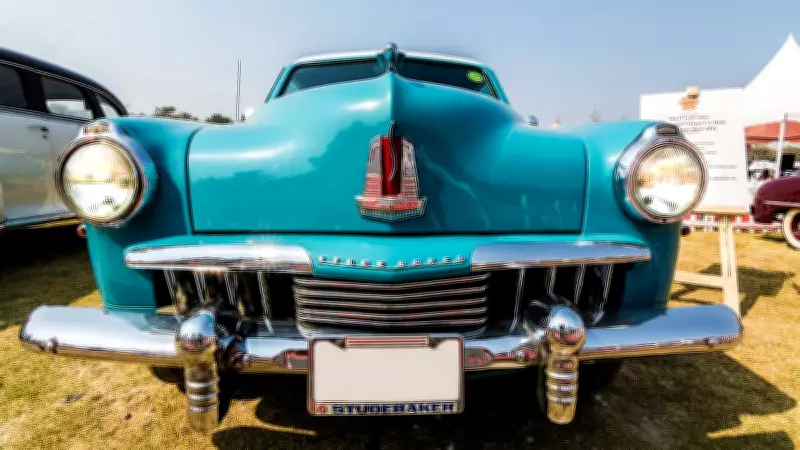
In a heartfelt personal narrative, the author recalls the iconic 1950 Studebaker that belonged to his grandfather, a vehicle that transcended mere transportation to become a symbol of family pride and post-war American optimism. The car, with its distinctive bullet-nose design and advanced engineering, was more than a machine; it was a repository of memories and a testament to an era of innovation.
The Studebaker's Unique Place in Automotive History
The Studebaker Corporation, once a leading automobile manufacturer, produced the 1950 model with a forward-thinking design that set it apart from contemporaries. Its aerodynamic shape, inspired by aircraft, featured a sleek profile that turned heads. The author describes how his grandfather, a man of modest means, saved diligently to purchase this car, which became a source of immense pride for the family.
According to the essay, the grandfather used the Studebaker for Sunday drives, family outings, and even as a tool for teaching the author about mechanics and responsibility. The car's robust engine and reliable performance made it a trusted companion for years, outlasting many modern vehicles in the family's memory.

Personal Memories and Family Bonding
The narrative is rich with anecdotes: the smell of leather upholstery, the sound of the V8 engine, and the feel of the steering wheel under the grandfather's hands. The author recalls learning to drive in the Studebaker, a rite of passage that forged a deeper bond between generations. The car also served as a backdrop for family photographs, holiday celebrations, and quiet conversations.
One particularly vivid memory involves a cross-country trip the grandfather took with the author's father, a journey that solidified the car's role as a vessel for adventure and shared experience. The essay emphasizes that the Studebaker was not just a possession but a living part of the family's history.
The Legacy of the Studebaker Today
Although the car was eventually sold after the grandfather's passing, its legacy endures in the author's memories and in the broader context of automotive nostalgia. The essay reflects on how classic cars like the Studebaker represent more than vintage engineering; they embody the aspirations and stories of their owners. The author notes that seeing a restored Studebaker at a car show today evokes a bittersweet longing for a bygone era.
In conclusion, the essay serves as a tribute to the grandfather and his glorious Studebaker, reminding readers that the most valuable heirlooms are often those that carry the weight of personal history. The car, though gone, remains a shining symbol of love, perseverance, and the joy of the open road.