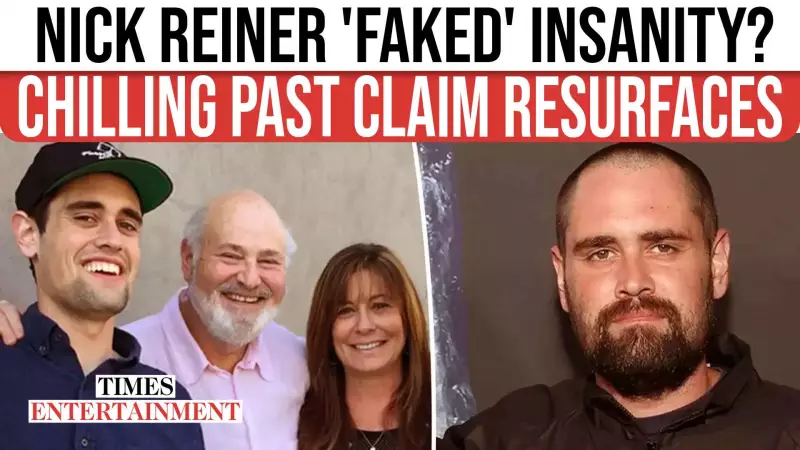
A bombshell revelation from a nearly decade-old interview has thrown a new complication into the high-profile murder case involving Nick Reiner, the son of famed Hollywood director Rob Reiner. As Nick Reiner is widely expected to enter an insanity plea for the brutal killings of his parents, his own past words are now coming back to haunt him.
The Resurfaced 2015 Audio Admission
An audio interview from 2015 has recently resurfaced, drawing intense scrutiny from legal experts and the public alike. In this recording, Nick Reiner makes a startling confession. He admits to deliberately staging erratic and unstable behavior while at a rehabilitation facility. His stated goal was to manipulate medical staff into prescribing him specific medications.
This admission of "faking insanity" to obtain drugs presents a significant challenge to his current legal strategy. Prosecutors are now examining his entire mental health history with a more skeptical eye, questioning the authenticity of past episodes and diagnoses.

A Complex Web of Mental Health and Substance Abuse
The case file paints a complicated picture. Nick Reiner's history includes documented schizophrenia diagnoses, multiple changes in his medication regimen, and a pattern of substance abuse. These elements are central to the defense's argument regarding his state of mind during the alleged crimes.
However, the 2015 audio introduces a troubling variable: the possibility of manipulation. If he could convincingly fake symptoms once to get what he wanted, it raises difficult questions about other instances in his medical past. Legal analysts suggest prosecutors will use this to argue that his mental health evaluations may not be entirely reliable.
Implications for the Upcoming Legal Battle
The timing of this revelation could not be more critical. With a plea expected soon, this evidence gives the prosecution powerful ammunition to counter an insanity defense. They are likely to frame it as proof of a calculated pattern of behavior, rather than the actions of someone unable to comprehend reality.
The core facts of the case remain unchanged:
- Nick Reiner is accused of murdering his parents.
- He is expected to plead not guilty by reason of insanity.
- A 2015 interview shows he admitted to faking mental illness for drugs.
- His medical history includes schizophrenia, medication changes, and substance abuse.
This new-old evidence ensures that the upcoming court proceedings will focus intensely on dissecting the truth behind Nick Reiner's mental health, setting the stage for a contentious legal fight where his own words may be used against him.