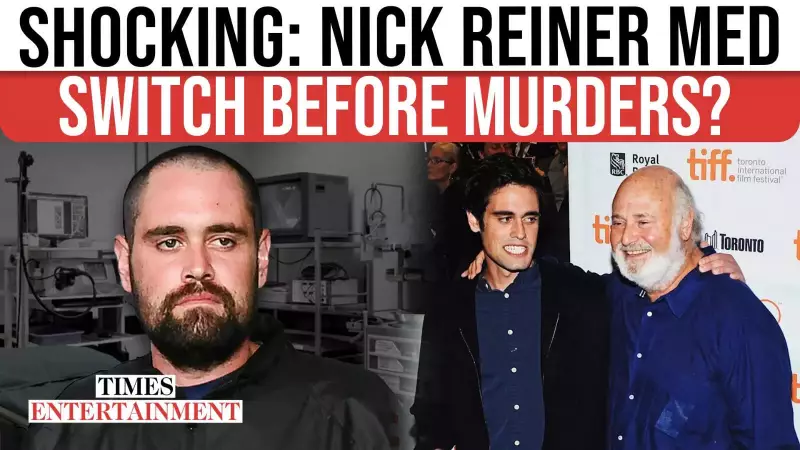
A disturbing new investigation has surfaced, probing a potential tragic link between a sudden change in psychiatric medication and a subsequent violent mental collapse. The focus is on Nick Reiner, the son of famous Hollywood director Rob Reiner, who is facing charges for the murders of his parents.
The Crucial Medication Switch
According to sources referenced in a TMZ Investigates report, Nick Reiner was managing his schizoaffective disorder and was in a stable condition on his prescribed treatment. However, weeks before the tragic incident, his doctors made an abrupt decision to alter his medication regimen. This switch is now under intense scrutiny as a possible catalyst for the events that followed.
Following the change in his medication, Nick's behaviour reportedly began to spiral out of control. His mental state deteriorated visibly, causing significant alarm to his parents, Rob and Michele Reiner. Despite their growing concerns and the evident escalation in his condition, no psychiatric hold was placed on Nick Reiner to ensure his safety and the safety of others during this unstable period.

From Treatment to Legal Defence
The sequence of medical decisions is now poised to become a central pillar of Nick Reiner's legal defence strategy. His lawyers are expected to argue that the violent mental break, which allegedly led to the crimes, was directly triggered by the unforeseen consequences of the last-minute medication change. This angle shifts part of the narrative from premeditated action to a tragic medical and systemic failure.
The case has seen dramatic developments in court. Nick Reiner was observed 'smirking' in court as his previous lawyer, Alan Jackson, quit the case just ahead of the murder arraignment. Jackson's sudden exit has raised numerous questions. Meanwhile, the District Attorney is pushing vigorously for a conviction in the deaths of Rob and Michele Reiner.
A Case of Missed Red Flags?
The investigation highlights a series of missed opportunities for intervention. The combination of a major medication alteration for a serious mental health condition, the observed behavioural spiral, and the lack of subsequent involuntary psychiatric evaluation paints a picture of a system that failed to act. The 911 calls made during the incident have also become crucial pieces of evidence as the court proceedings move forward.
This case transcends a typical celebrity tragedy, opening up difficult conversations about mental healthcare protocols, the responsibilities of medical professionals in managing high-risk patients, and the legal complexities when psychiatric treatment is intertwined with criminal acts. The outcome could set significant precedents for how similar cases are perceived and tried in the future.