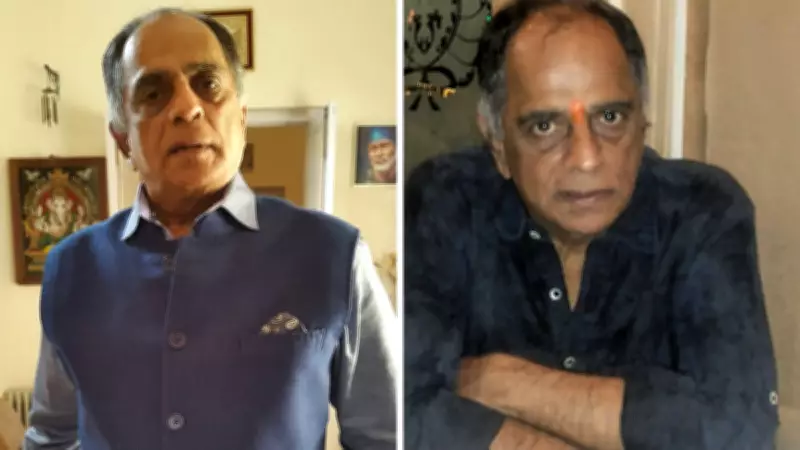
Veteran Indian film producer and former chairperson of the Central Board of Film Certification (CBFC), Pahlaj Nihalani, passed away on June 4, 2026, at the age of 94. His death marks the end of an era in Indian cinema, where he left an indelible mark both as a producer of iconic films and as a controversial regulator of film content.
Early Life and Career in Film Production
Born in 1932, Pahlaj Nihalani began his journey in the Indian film industry in the 1960s. He initially worked as a production assistant and gradually climbed the ranks to become one of the most prominent producers in Bollywood. Nihalani produced several successful films that are now considered classics, including the 1977 film 'Aankhiyon Ke Jharokhon Se', the 1980 musical 'Aasha', and the 1983 blockbuster 'Himmatwala'. His productions often featured popular stars of the era, such as Jeetendra, Sridevi, and Rekha, and were known for their commercial appeal and entertainment value.
Tenure as CBFC Chairperson
In 2015, Nihalani was appointed as the chairperson of the CBFC, a position he held until 2017. His tenure was marked by several controversial decisions that sparked debates about censorship and creative freedom in Indian cinema. He was known for his strict and often conservative approach to film certification, which led to clashes with filmmakers and industry insiders. Notable controversies included his demand for cuts in films like 'Udta Punjab' and 'Lipstick Under My Burkha', which were eventually cleared by the Film Certification Appellate Tribunal. Despite the controversies, Nihalani defended his actions, stating that he was merely following the guidelines of the Cinematograph Act.

Contributions to Indian Cinema
Beyond his role as a censor, Nihalani's contributions as a producer cannot be overstated. He was instrumental in bringing several memorable films to the silver screen that resonated with audiences across India. His production house, Pahlaj Nihalani Productions, was behind many successful ventures that defined the commercial cinema of the 1970s and 1980s. He also ventured into television production, further expanding his influence in the entertainment industry.
In recognition of his contributions, Nihalani received several accolades over the years. However, his legacy remains a subject of debate, with many praising his dedication to the industry while others criticize his censorship policies. Regardless, his impact on Indian cinema is undeniable.
Final Years and Legacy
In his later years, Nihalani remained active in industry discussions and occasionally commented on film censorship issues. He was known for his outspoken nature and never shied away from expressing his views. His passing has been mourned by many in the film fraternity, who remember him as a passionate and committed figure. Tributes have poured in from actors, directors, and politicians, acknowledging his role in shaping Indian cinema.
Pahlaj Nihalani is survived by his family, including his son, who is also involved in film production. His death leaves a void in the industry, and his contributions will be remembered for years to come. As the Indian film industry continues to evolve, Nihalani's legacy as a producer and censor will remain a significant chapter in its history.