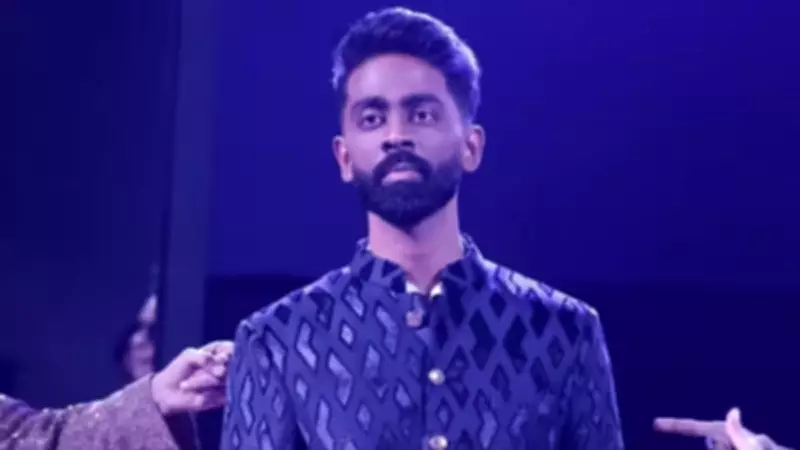
Maharashtra Cyber Police has registered a First Information Report (FIR) against YouTuber Pranit More following the Rs 370 biryani controversy that sparked widespread outrage on social media. The action comes after multiple complaints accused More of spreading misinformation and creating public unrest through his viral video.
Background of the Controversy
Pranit More, a popular content creator, posted a video claiming he was charged Rs 370 for a plate of biryani at a local restaurant in Pune. The video quickly went viral, leading to severe backlash against the eatery and even threats of violence. However, subsequent investigations revealed that the bill included multiple items and not just biryani, contradicting More’s narrative.
Police Investigation and FIR
The Maharashtra Cyber Police took suo motu cognizance of the matter and filed an FIR under relevant sections of the Indian Penal Code and the Information Technology Act. Officials stated that the video was deliberately misleading and intended to incite public anger. The police are now probing whether More violated laws related to spreading fake news and causing public nuisance.

Public and Legal Reactions
The incident has divided public opinion. While some support More’s right to highlight overpricing, others condemn his method of presenting incomplete facts. Legal experts suggest that if found guilty, More could face penalties including fines or imprisonment. The restaurant owner has also expressed relief over the police action, stating that the false allegations severely damaged his business.
Implications for Social Media Influencers
This case underscores the growing accountability for social media influencers in India. Authorities have warned that spreading unverified information with malicious intent will not be tolerated. The Cyber Police urge netizens to verify facts before sharing content that could harm individuals or businesses.
As the investigation proceeds, Pranit More has not yet issued a public statement. The controversy serves as a cautionary tale about the power and responsibility of digital content creators in the age of viral media.