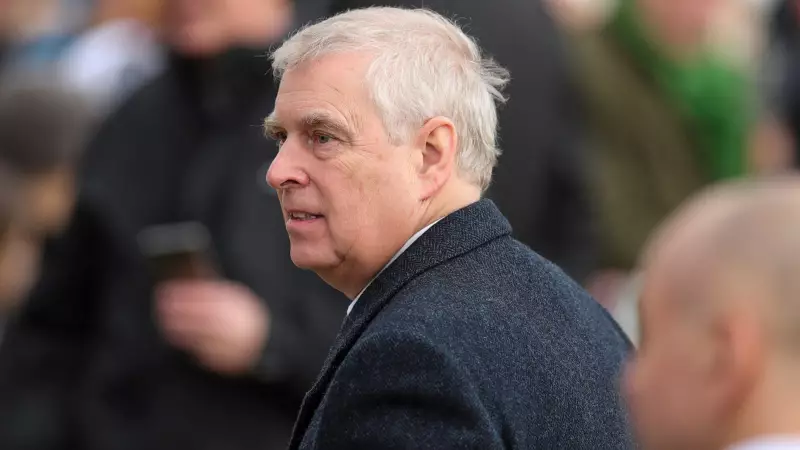
In a decisive and historic move, King Charles III has permanently stripped his brother, Prince Andrew, of his last remaining royal titles and military affiliations. This action, confirmed by Buckingham Palace, effectively severs the Duke of York's formal ties to hundreds of organizations he once represented as a senior working royal.
The Final Step in a Royal Demotion
The decision, made official by the monarch, means Prince Andrew will no longer hold any patronages or military roles. This includes his prestigious position as Colonel of the Grenadier Guards, a regiment he was closely associated with for many years. A palace spokesperson stated that the Duke of York's military affiliations and royal patronages have been returned to His Majesty the King.
This marks the culmination of a gradual but steady distancing of the Royal Family from Prince Andrew following the scandal surrounding his association with convicted sex offender Jeffrey Epstein. The Duke stepped back from public duties in November 2019 after a widely criticized television interview about the friendship. In January 2022, he was stripped of his ‘His Royal Highness’ (HRH) style and military titles ahead of a civil sexual assault case in the United States, which was later settled out of court.

What Titles and Roles Have Been Removed?
The latest action targets the last vestiges of his official life. Prince Andrew has lost connections to over 100 charities and organizations. These spanned sectors from education and health to sports and community service. While he retains the title Duke of York, it is now purely ceremonial with no functional duties attached to it.
The move is seen as King Charles's effort to protect the monarchy's reputation and streamline the institution. Since ascending the throne, Charles has focused on a ‘slimmed-down’ monarchy, with a core group of working royals. Prince Andrew's ongoing controversies were viewed as incompatible with this modernizing vision.
Implications and the Road Ahead for Prince Andrew
This definitive step leaves Prince Andrew's public role in tatters. He cannot undertake any official duties, wear military uniform at ceremonial events, or represent the Crown in any capacity. He is expected to continue residing at Royal Lodge in Windsor, but his public life is effectively over.
The reallocation of his numerous patronages will be a significant administrative task for the palace. Many organizations had already distanced themselves from the Duke in recent years. Now, the King will decide whether to redistribute these roles among other working royals like the Prince and Princess of Wales, or leave them vacant.
This action underscores King Charles's authority and his willingness to make tough decisions for the institution's future. It sends a clear message that personal conduct has direct consequences, even for those born into the highest echelons of royalty. For Prince Andrew, the door to any form of royal rehabilitation appears firmly closed.