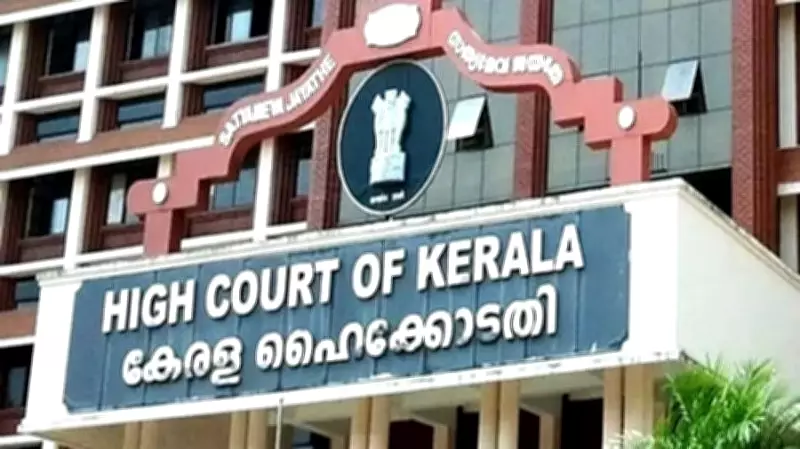
Kerala High Court Dismisses PIL on Assembly Proceedings Against Congress MLA
The Kerala High Court has dismissed a Public Interest Litigation (PIL) that sought to drop assembly proceedings against Congress MLA Rahul Mamkootathil. The court's decision upholds the legislative body's authority to address matters of conduct among its members.
Details of the PIL and Petitioner
The PIL was filed by Kulathoor Jaisingh, who argued against the continuation of proceedings initiated against Mamkootathil. According to the petition, the issue stems from a complaint lodged with the Speaker of the Kerala Legislative Assembly by another individual, identified as Murali.
Murali's complaint specifically addressed allegations of unbecoming conduct by Mamkootathil in his capacity as a Member of the Legislative Assembly (MLA). The complaint sought formal permission to raise this matter during House proceedings, highlighting concerns over ethical standards and parliamentary decorum.
Court's Ruling and Implications
In dismissing the PIL, the Kerala High Court emphasized the autonomy of legislative processes and the principle of separation of powers. The ruling indicates that judicial intervention in such internal assembly matters is limited, unless there is a clear violation of constitutional or legal provisions.
This decision reinforces the Speaker's role in managing House affairs and adjudicating on complaints against MLAs. It also underscores the importance of maintaining discipline and accountability within the legislative framework, without external interference.
Background on the Allegations
The allegations against Rahul Mamkootathil, a prominent Congress MLA, involve conduct deemed inappropriate for an elected representative. While specific details of the alleged misconduct were not fully disclosed in the court proceedings, the complaint points to broader issues of parliamentary ethics and member behavior.
Such cases often spark debates on the balance between freedom of expression for MLAs and the need to uphold the dignity of the House. The dismissal of the PIL suggests that the court views this as a matter best resolved through the assembly's own disciplinary mechanisms.
Legal and Political Context
This ruling comes amid ongoing discussions about judicial oversight versus legislative independence in India. Public Interest Litigations are frequently used to address governance issues, but courts typically exercise restraint in matters involving parliamentary procedures.
For Congress and other political parties, this case highlights the challenges of managing internal disputes and maintaining party discipline in state assemblies. It also serves as a reminder of the legal boundaries that govern interactions between the judiciary and legislature.
The Kerala High Court's dismissal is expected to set a precedent for similar cases, affirming that assembly proceedings should generally proceed without judicial interruption, unless exceptional circumstances warrant intervention.