

Israel's Finance Ministry Projects $3 Billion Weekly Cost in Potential War with Iran
In a stark assessment of the financial implications of escalating tensions, Israel's Finance Ministry has released estimates indicating that a full-scale war with Iran could impose a weekly cost of approximately $3 billion on the nation. This projection underscores the severe economic and strategic challenges Israel faces amid ongoing regional conflicts and heightened geopolitical risks in the Middle East.
Detailed Breakdown of Estimated War Expenditures
The $3 billion weekly estimate encompasses a wide range of expenses, with defense spending expected to dominate the budget. Key components include:
- Military Operations: Significant outlays for ammunition, fuel, and logistics to sustain prolonged combat operations against Iranian forces and proxies.
- Defense Systems: Costs associated with deploying and maintaining advanced missile defense systems, such as Iron Dome, to counter potential Iranian attacks.
- Economic Disruptions: Losses from halted commercial activities, supply chain interruptions, and reduced productivity due to security concerns and mobilization efforts.
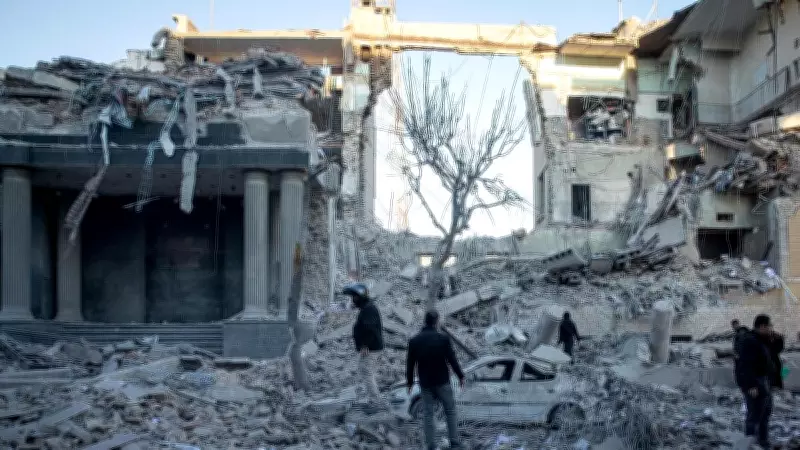
- Public Services: Increased expenditures on emergency services, healthcare, and infrastructure repairs to address war-related damages and support affected populations.
These figures highlight the multifaceted burden a conflict would place on Israel's economy, potentially straining public finances and diverting resources from other critical areas like social welfare and development projects.

Regional Context and Broader Implications
The Finance Ministry's warning comes at a time of heightened instability in the Middle East, with Iran's involvement in proxy wars and its nuclear ambitions adding to regional volatility. Israel has long viewed Iran as an existential threat, and recent skirmishes have raised fears of a broader confrontation. The estimated costs reflect not only direct military engagements but also the indirect impacts on trade, investment, and international relations.
Analysts note that such a war could trigger global economic repercussions, given the strategic importance of the Middle East in energy markets and global security. The projection serves as a cautionary note for policymakers, emphasizing the need for diplomatic efforts to de-escalate tensions and avoid a costly conflict that could destabilize the entire region.
Strategic and Policy Considerations for Israel
In response to these estimates, Israeli officials are likely to reassess defense budgets and contingency plans. The Finance Ministry's analysis may influence decisions on:
- Defense Allocations: Prioritizing funding for critical military capabilities while seeking efficiencies to manage costs.
- Economic Resilience: Implementing measures to safeguard key sectors, such as technology and agriculture, from war-induced disruptions.
- International Support: Engaging with allies, particularly the United States, to secure financial and military aid to offset potential expenses.
This financial forecast underscores the high stakes involved, as Israel balances security imperatives with economic sustainability in a volatile geopolitical landscape.






