

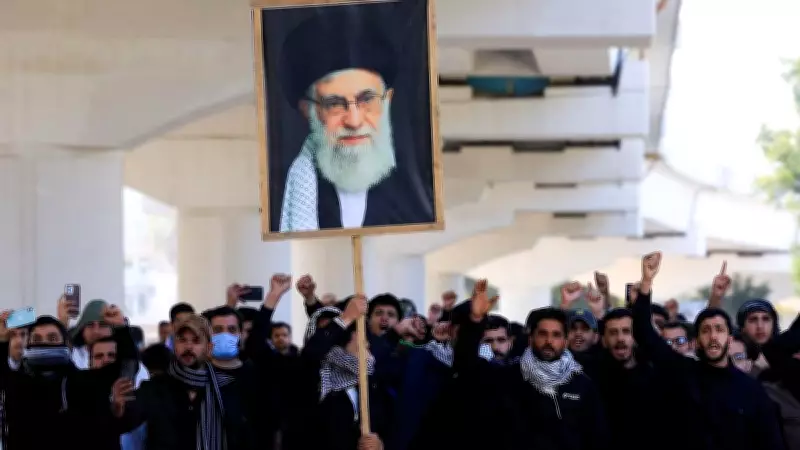
Iran Grapples with Leadership Uncertainty After Ayatollah Khamenei's Death
The passing of Ayatollah Ali Khamenei has plunged Iran into a period of profound uncertainty, with intense speculation swirling around who will ascend to the role of supreme leader. This pivotal moment comes at a time of heightened regional tensions in West Asia, making the succession process a critical issue for both domestic stability and international geopolitics.
Who Are the Potential Contenders for Iran's Next Supreme Leader?
As Iran's Shia-majority population and political elite navigate this transition, several key figures have emerged as potential successors. The selection process is expected to involve complex deliberations within the country's religious and political institutions, reflecting the supreme leader's immense influence over state affairs.
The Role of the Assembly of ExpertsThe Assembly of Experts, a body of Islamic clerics, holds the constitutional authority to appoint the next supreme leader. Their decision will be closely watched globally, as it will shape Iran's future policies on nuclear negotiations, regional conflicts, and economic reforms.

Given Iran's significant role in West Asia, the choice of successor could have far-reaching consequences for regional dynamics, including relationships with neighboring countries and involvement in ongoing conflicts. The transition period may see increased diplomatic maneuvering as external powers assess the new leadership's orientation.
Historical Context and Modern Challenges
This succession marks only the third such transition since the 1979 Islamic Revolution, following Ayatollah Ruhollah Khomeini and Ayatollah Khamenei. Unlike previous successions, today's Iran faces unique challenges including economic sanctions, domestic unrest, and evolving regional alliances that will inevitably influence the selection criteria.
- Religious Qualifications: Candidates must possess deep theological knowledge and meet stringent religious criteria established by Iran's constitution.
- Political Experience: Practical governance experience and proven loyalty to the principles of the Islamic Republic are essential considerations.
- Popular Legitimacy: While not a democratic election, the ability to command respect among both the clerical establishment and general populace remains important.
The coming weeks and months will likely see intensified political maneuvering as various factions within Iran's power structure advocate for their preferred candidates. This process unfolds against a backdrop of regional uncertainty, making the outcome particularly significant for Middle Eastern stability and global energy markets.






