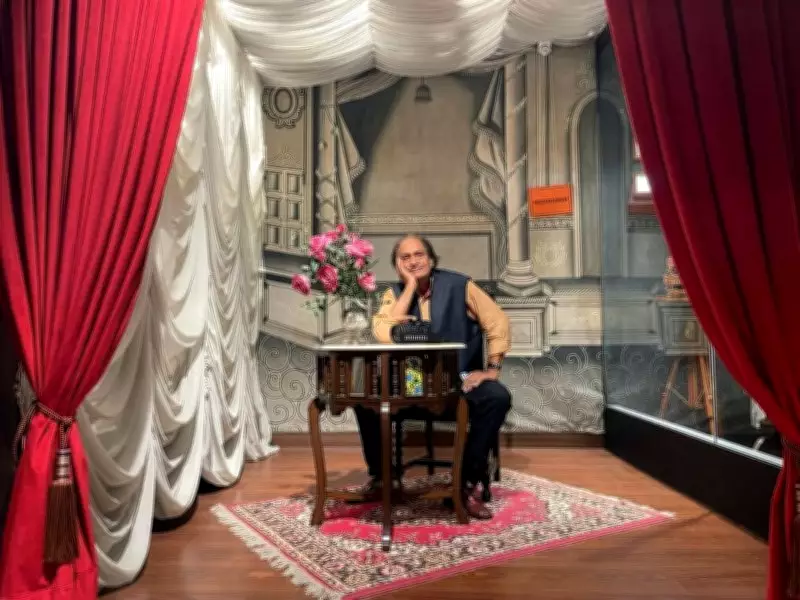
Raghu Rai, the legendary Indian photographer, has spent over five decades capturing the essence of India through his lens. His work is a visual chronicle of the nation's journey, from its socio-political upheavals to its cultural vibrancy. Rai's photographs are not just images; they are stories frozen in time, reflecting the soul of India.
The Early Years and Influences
Born in 1942 in Jhang, now in Pakistan, Rai moved to India after partition. He began his career as a photojournalist for The Statesman in 1965. His early work was influenced by Henri Cartier-Bresson, who later mentored him. Rai's ability to capture the decisive moment became his hallmark.
Iconic Works and Achievements
Rai's portfolio includes some of the most iconic images of India. He documented the Bhopal gas tragedy, the Emergency, and the lives of saints and common people alike. His photograph of Mother Teresa won him the World Press Photo award in 1972. He also photographed the Dalai Lama and other spiritual leaders.

- Bhopal Gas Tragedy: Rai's haunting images brought global attention to the disaster.
- Emergency Period: His photographs captured the tension and resilience of the Indian people.
- Spiritual India: From sadhus to Sufis, Rai's lens found divinity in everyday life.
Legacy and Continuing Influence
Rai's work continues to inspire new generations of photographers. He has published numerous books and exhibited worldwide. His archives are a treasure trove of India's history. Despite his age, Rai remains active, mentoring young talents and working on new projects.
Preserving History Through Photography
Rai believes that photography is a powerful tool for social change. His images have often stirred public conscience. He says, "A photograph can change the world if it touches the heart." His dedication to his craft and his country is unwavering.
In an era of digital manipulation, Rai's black-and-white photographs stand as testaments to authenticity. He continues to shoot with film, valuing the integrity of the image. His work reminds us that the best photographs are not taken but felt.