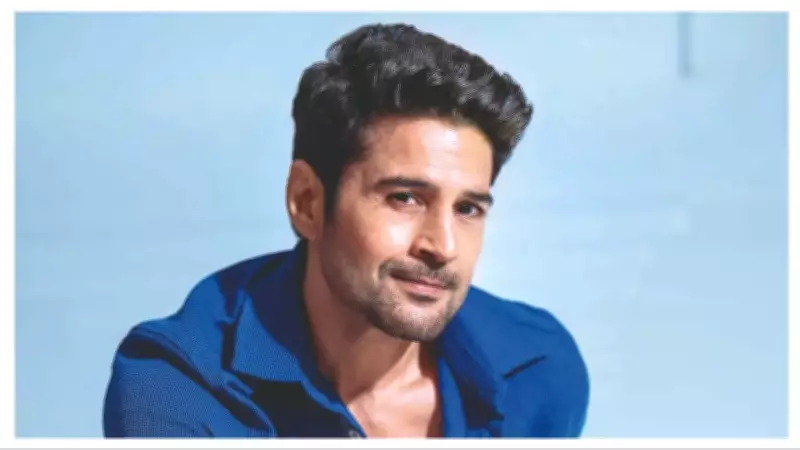
For over two decades, Rajeev Khandelwal has navigated television, films, and OTT platforms without adhering to a fixed career path. Reflecting on his early decision to step away from daily soaps at the height of his popularity, he describes it not as a risk but as an instinctive move. “I have always been driven by my gut, not by what the industry expects,” he says, dismissing the notion that shifting between mediums is inherently difficult. “Anyone who claims something is tough is likely thinking about a journey they have not even started. That indicates a lack of self-confidence.”
Breaking the Intense Image
From Kahiin To Hoga to Shaitaan, Rajeev has often been cast in emotionally intense roles. However, he insists this image was never deliberately crafted. “People approach me with complex characters,” he explains, noting that projects like Showtime allowed him to explore lighter shades. “People perceive me as very intense or introverted, but I simply choose to live that way. Not everything needs to be displayed publicly.” Still, he has genres he wishes to explore further. “I would love to play a hardcore negative character, but not a caricature. I want that character to have a soul and genuinely believe he is right,” he says.
On Visibility, Networking, and Self-Belief
Away from the screen, Rajeev has largely remained detached from networking culture and the pressure of constant social media visibility. “Today, I would say it did not matter. It has been 24 years since I have been actively working, so did it really matter? I do not think so.” He admits to moments of self-doubt during professional gaps. “There are times when I wonder, ‘Why was I not cast in that?’ Then one phone call comes along and excites me like a child again. If I wake up excited enough to pack my bags in the morning, then the project is worth doing,” says Rajeev, who is currently enjoying hosting the reality game show Tum Ho Naa - Ghar Ki Superstar. “The show is refreshingly different. Today, most reality shows thrive on conflict, scheming, scandals, and drama because that is what people believe audiences want to watch. But this show stands apart for its simplicity and heart,” he adds.

If You Made It Once, You Can Make It Again
One piece of advice from a friend continues to anchor him, especially during moments when his unconventional choices were questioned. “Whenever people doubted my decisions, especially when I left a daily soap at its peak — a friend told me, ‘Who made this? If you made this once, then you could make it again.’ That thought has stayed with me. Take away everything, and I should still be able to recreate it — if I am truly worthy of the love people have given me,” he says, signing off.
Refusing to Belong to One Medium
The actor remains critical of the industry’s tendency to operate within rigid formulas and preconceived notions. “Corporates work on templates. Ten TV actors did not work in films, so suddenly everyone believed that no TV actor can work in films. But it takes just one person to break that pattern,” he says. That thinking also influenced his decision to return to television after films — another move many around him advised against. “People said doing television again after films is suicide. I said… let us do it then (laughs). The fun is not in following the trend. The fun is in setting the trend,” shares Rajeev.
Walking Away from Fame at Its Peak
His exit from Kahiin To Hoga remains one of Indian television’s most talked-about departures. At the height of his popularity, Rajeev chose to leave the show — a move many considered career suicide at the time. He says, “I realised the kind of love I was receiving would eventually reach a peak and then we would start dragging it. I thought that was cheating the audience. I need to feel deserving of that love. And that cannot happen if I am stuck on one show for five or six years.”
Rajeev’s transition to films with Aamir happened just as organically. Contrary to industry assumptions, he insists he was never actively pursuing a Bollywood career. “I was not looking for films. I read the script and thought it was excellent. Later, I realised it was a film script, and I was on board,” he recalls.