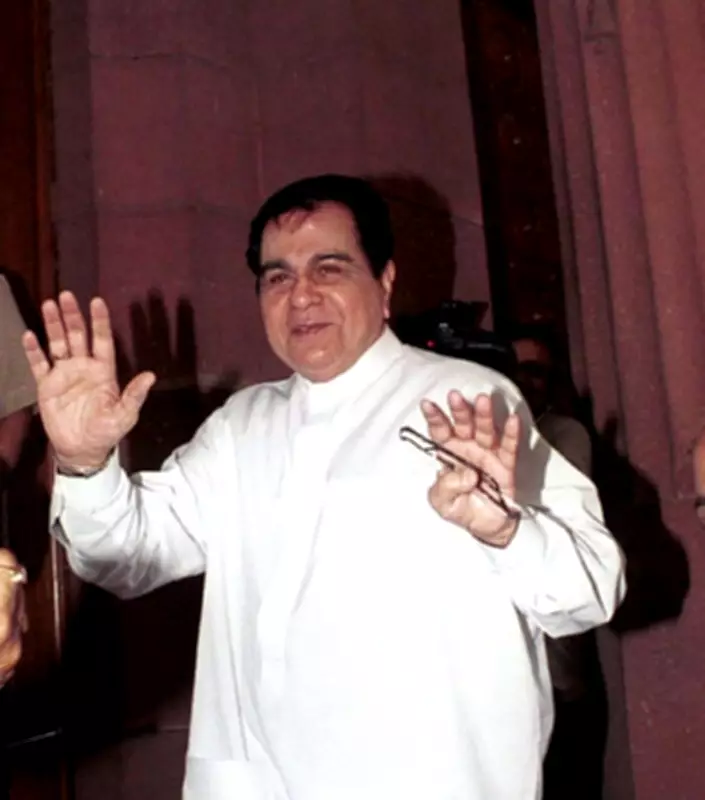
On July 7, 2026, Indian cinema commemorates the fifth death anniversary of its enduring icon, Dilip Kumar. In life as in death, he remains an institution beyond all institutions, as recalled by journalist Subhash K Jha, who had the privilege of interacting with the legendary actor.
A Mesmerising Personality Despite No Formal Education
Yusuf Saab, as he was known among close friends, or simply ‘Saab’ to his wife Saira Banu, never received any formal education. Yet his regal bearing, soft-spoken sophistication, and ability to hold an audience spellbound with his magical web of words were unique and miraculous. Jha describes his first phone conversation with Dilip Kumar during the holy period of Ramzan. When Saira Banu offered to let him speak to Saab, Jha hesitated, thinking one does not say hello to God. But he eventually gushed for three to four minutes, and Dilip Kumar listened patiently, responding with characteristic humility: “No, there might be many better actors than me. I had no training and I wouldn’t have dared to venture into films were it not for my family’s financial conditions.”
A Personal Meeting During Ramzan
Jha later visited Dilip Kumar at his Pali Hill bungalow, again during Ramzan. Saab was praying, so Jha waited, understanding that good things come to those who are patient. When Yusuf Saab finally walked in, Jha was struck by his aura—a healthy, shiny glow of a man who has kept the child within alive. Jha compares this radiance to that of Lata Mangeshkar, noting that anyone who came in contact with either was blessed. During that October evening, Jha listened as Dilip Kumar narrated anecdotes, realising that one prerequisite of superstardom is the gift of effortless communication—a trait shared by Amitabh Bachchan, Shabana Azmi, and Shah Rukh Khan, but notably absent in the painfully shy Sridevi.

From Fruit Seller to Superstar
Reflecting on his journey, Dilip Kumar explained his entry into films: “I was always very business minded. I loved the family business. But it was a very tough life. The entire process from plucking fruits to their dispatch was very cumbersome. I had to get another job with a decent salary. That’s where acting came in handy.” The World War II severely affected his father’s horticulture business, which grew apricots, grapes, pomegranates, apples, and peaches. His father wanted him to be educated to enhance the family business, but initially opposed his acting career. However, after Maulana Azad intervened, saying there’s no telling what the future holds, his father became more supportive.
Conversations on Politics and Hope
Jha’s most moving conversation with Dilip Kumar occurred after the Gujarat carnage, when the actor expressed deep pain over divisive politics. He recalled great leaders like Pandit Nehru, Mahatma Gandhi, Maulana Azad, and Gaffar Khan who shaped the India ethos, and criticised their phony followers who spoke the language of hatred. Despite everything, Dilip Kumar remained hopeful about India’s future, crediting electronic media for exposing the shallowness of national leaders. He believed that the public would eventually pull good leaders out of the shadows, convinced that there are more good than bad people waiting to lead the nation.